The Power of AI Inventory Management in Modern Business

By itemit Team
Published on January 28, 202613 min read
Back to Blog

Poor inventory decisions cost businesses around $1.1 trillion globally every year – that's money lost through empty shelves when customers want to buy, or warehouses stuffed with products nobody needs. Smart businesses are flipping this script with AI inventory management, turning these costly headaches into serious competitive wins.

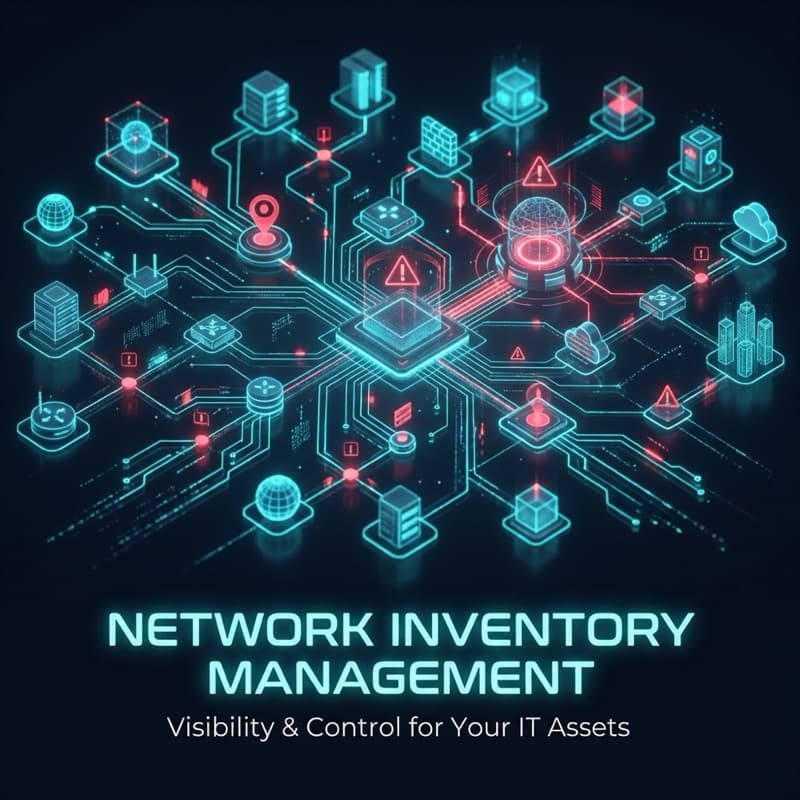
Artificial intelligence in inventory management

What is AI Inventory Management?

Think about how your smartphone predicts what you're going to type next. AI inventory management works similarly - but instead of guessing your next word, it's predicting what you'll need in your warehouse next week, next month, or next season.

This isn't about replacing your current systems overnight. Artificial intelligence in inventory management acts more like a really smart assistant that never sleeps, constantly watching your sales patterns, supplier delays, weather reports, and even social media trends to figure out what's coming next.

Here's what makes this different from the old way of doing things: Remember when you had to guess how much winter gear to order based on last year's sales? Now, AI for inventory management looks at weather forecasts, fashion trends, competitor pricing, and hundreds of other factors to make those decisions with scary accuracy.

The system learns as it goes. When a new product launches or your market shifts, the AI doesn't need you to reprogram it – it figures out the new patterns automatically. This adaptability is what makes it so powerful, especially for businesses dealing with changing customer demands.

Even small businesses can tap into this technology now. What used to require massive IT budgets and teams of data scientists can now run on regular computers and smartphones, making sophisticated inventory prediction accessible to everyone.

Ready to build the foundation for AI-powered inventory management? Contact item it today to discover how our asset tracking solutions can prepare your business for the intelligent inventory future.

Key AI Technologies Transforming Inventory Operations

Let's break down the tech that's actually making this work, and why it matters for your business.

Machine Learning for Demand Forecasting

This is where everything happens. Machine learning doesn't just look at what sold last month – it digs into every piece of data it can find. Inventory management AI might notice that your outdoor furniture sales jump 23% when the weather forecast shows sunshine three days out, or that certain products sell better when specific influencers post about them.

The accuracy difference is striking. Traditional forecasting methods typically get it right about 60-70% of the time. Machine learning models? They're hitting 85-95% accuracy rates consistently. That's the difference between constantly running out of popular items or being stuck with excess inventory.

The system spots patterns humans miss completely. Maybe sales of your red widgets always spike exactly 18 days after a competitor raises their prices, or perhaps certain products sell together in ways that don't seem obvious. The AI finds these connections and uses them.

Predictive Analytics and Automation

This goes beyond just forecasting – it's about taking action. Instead of just telling you what's going to happen, the system starts handling the routine decisions automatically. Reorder points adjust themselves based on current trends. Safety stock levels change with the seasons. Even supplier negotiations can get automated recommendations.

During recent supply chain chaos, companies using these systems kept their shelves stocked while competitors struggled. The AI spotted potential disruptions weeks before they hit and automatically activated backup suppliers or adjusted inventory levels to compensate.

Natural Language Processing and IoT Integration

Ever wish you could just ask your inventory system a question in plain English? That's what natural language processing brings to the table. Instead of learning complex software interfaces, your team can literally ask "How much of Product X do we have?" and get instant answers.

IoT sensors take this further by providing constant updates. Smart shelves know when they're running low. Temperature sensors protect sensitive products. GPS trackers follow shipments in real-time. All this data feeds back into the AI system, creating a complete picture of what's happening right now.

How is AI Used in Inventory Management: 8 Practical Applications

Let's see the ways businesses are actually using this technology today – not theoretical future applications, but real systems working right now.

1. Smart Demand Forecasting

This goes far beyond traditional sales projections. Modern systems pull data from everywhere – your sales history, competitor pricing, weather patterns, social media mentions, economic indicators, even Google search trends. One retailer discovered their umbrella sales correlated with weather forecasts five days out, not just when it was actually raining.

2. Automated Stock Replenishment

Forget fixed reorder points that never change. AI for inventory management constantly adjusts these numbers based on what's actually happening. Slow sales period? The system lowers reorder points to reduce carrying costs. Big promotional campaign coming? It automatically increases stock levels to handle the rush.

3. Real-Time Inventory Tracking

This combines IoT sensors, RFID tags, and computer vision to track everything automatically. Products get counted as they move through your warehouse without anyone needing to scan them manually. Mistakes in inventory records drop dramatically because the system updates itself continuously.

4. Predictive Maintenance

Your inventory system is only as good as the equipment supporting it. AI monitors conveyor belts, scanners, and other warehouse equipment for signs of trouble. Instead of equipment failing during your busiest season, the system schedules maintenance during slow periods.

5. Supply Chain optimisation

The AI evaluates all your suppliers constantly – delivery times, quality ratings, pricing trends, and even financial stability. When one supplier starts showing problems, the system can recommend alternatives before you experience shortages.

6. Quality Control Automation

Computer vision systems can spot defective products faster and more consistently than human inspectors. This means fewer customer complaints and less inventory write-offs due to quality issues.

7. Dynamic Pricing Strategies

When inventory levels get high, the system might suggest promotional pricing to move products faster. When stock runs low, it could recommend premium pricing to maximise margins on remaining items.

8. Customer Behavior Analysis

The system tracks which products customers buy together, return patterns, and seasonal preferences. This information helps optimise your product mix and warehouse layout for better efficiency.

AI in Warehouse Management: The Smart Facility Revolution
AI inventory management

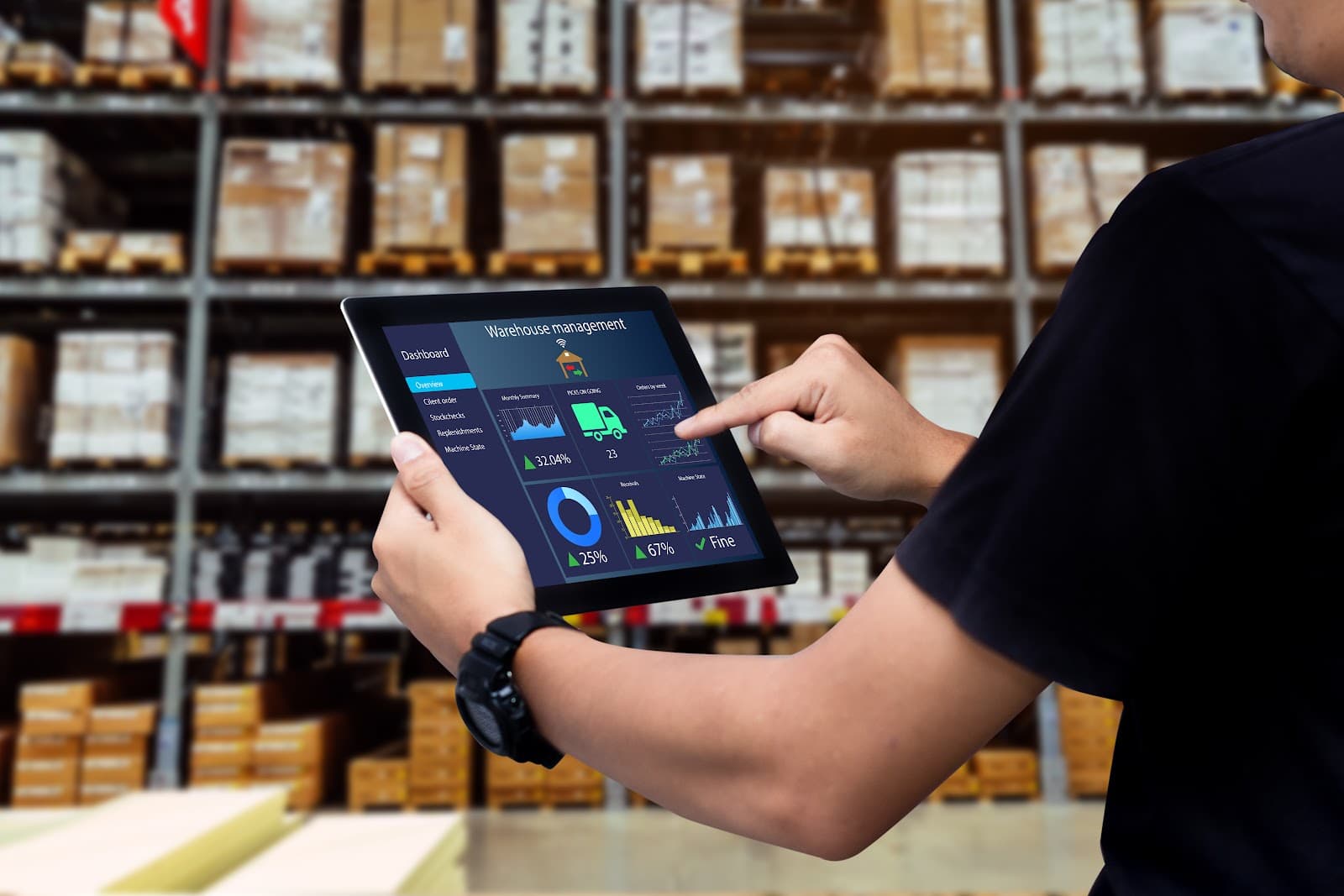
AI in warehouse management is turning storage facilities into responsive, intelligent operations that adapt to changing conditions minute by minute. (https://itemit.com/what-is-online-inventory-management-system/) systems are getting major upgrades with AI capabilities that optimise everything from lighting to picking routes.

Modern AI-powered warehouses deliver unprecedented efficiency through:

  • Robotic systems that learn the best routes through your facility and get faster over time
  • Smart layout optimisation that automatically reorganizes storage based on seasonal trends and order patterns
  • Energy management that cuts utility costs by 20-30% through intelligent lighting and climate control
  • Safety monitoring that spots unsafe conditions before accidents happen
  • Maintenance prediction that prevents costly equipment breakdowns during peak seasons
  • Easy integration with existing systems, so you don't have to start from scratch

Amazon's fulfilment centres showcase what's possible – over 750,000 robots working alongside human employees, processing millions of orders daily. But you don't need Amazon's budget to benefit from these technologies. Smaller systems can deliver similar efficiency gains scaled to your operation.

What's particularly appealing is how these systems integrate with existing warehouse management platforms. You don't need to throw out your current setup – the AI layer adds intelligence to what you already have, reducing implementation costs and minimising disruption.
Benefits of AI for Inventory Management Automation

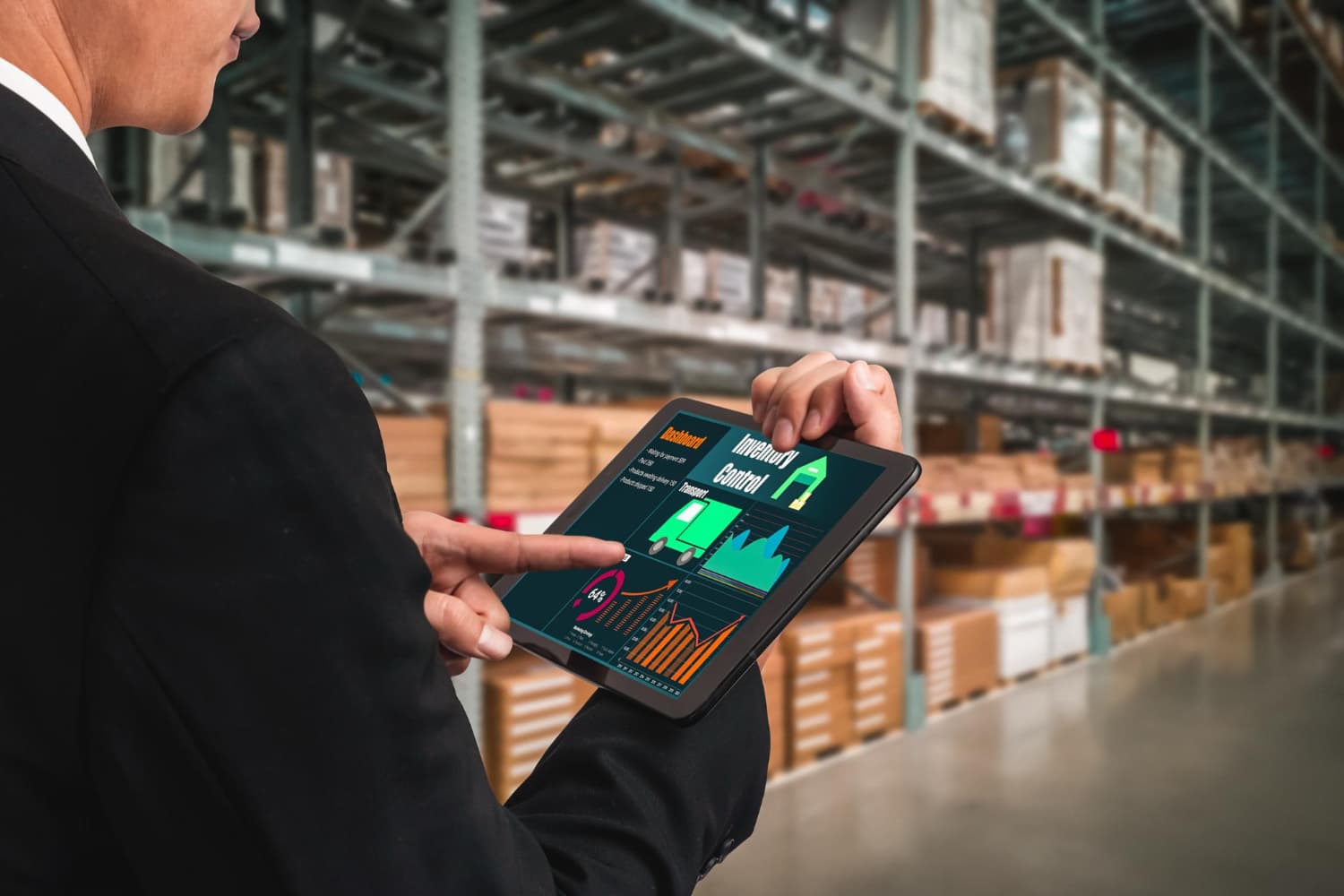
The numbers don't lie – AI for inventory management automation delivers real, measurable improvements across every aspect of inventory operations. Inventory systems for small business owners are seeing the same benefits that used to be exclusive to Fortune 500 companies.

Cost Reduction

Companies typically see 15-30% reductions in inventory-related expenses within the first year. These savings come from multiple sources: fewer emergency purchases at premium prices, reduced carrying costs from optimised stock levels, less waste from expired or obsolete inventory, and lower labor costs for routine inventory tasks.

Walmart saves millions of dollars annually through AI-driven inventory optimisation. But smaller businesses see proportional benefits – one regional retailer cut inventory costs by 22% in their first year, freeing up cash for expansion.

Accuracy Improvements

Manual inventory systems typically achieve 60-80% accuracy on a good day. AI for inventory management automation systems consistently hit 98-99% accuracy. This precision translates directly to better customer service – fewer disappointed customers finding empty shelves, fewer excess inventory write-offs, and more reliable delivery promises.

Scalability

Growth becomes much smoother when your inventory system scales automatically. AI adapts to increased transaction volumes, new product lines, additional warehouse locations, and seasonal fluctuations without requiring proportional increases in management overhead. This scalability removes a major constraint on business growth.

Enhanced Decision-Making

Instead of drowning in spreadsheets and reports, managers get actionable insights delivered when they need them. The system highlights trends, identifies opportunities, and flags potential problems before they become expensive mistakes. Decision-making becomes faster and more confident.

Customer Satisfaction

When products are consistently available when customers want them, satisfaction ratings improve dramatically. AI systems reduce stockouts by 35-50% on average, leading to higher customer retention and increased sales. The improved availability also captures more impulse purchases during peak seasons.

Time Savings

Automation eliminates hours of manual work every week. Staff can focus on building supplier relationships, improving processes, and serving customers instead of counting inventory and processing reorders. This shift from tactical to strategic work improves job satisfaction and business results.

Industry-Specific Applications and Success Stories

Different industries are finding unique ways to leverage AI in inventory management based on their specific challenges and opportunities.

Retail and E-commerce

Target uses machine learning to decide which products go to which stores versus their online fulfilment centres. The system considers local demographics, seasonal trends, and promotional activities to position inventory where it's most likely to sell. This optimisation increased their inventory turnover by 15% while reducing stockouts.

Manufacturing

Toyota's legendary just-in-time system now runs on AI algorithms that coordinate thousands of suppliers. Components arrive exactly when needed, reducing inventory carrying costs while maintaining production efficiency. The system prevents the production line stoppages that used to cost thousands of dollars per minute.

Healthcare

Hospitals use inventory management AI to balance the competing demands of patient safety and cost control. You can't run out of life-saving medications, but you also can't tie up excessive capital in inventory. AI systems predict usage patterns and optimise safety stock levels for different categories of medical supplies.

Automotive

General Motors uses AI to predict supply disruptions before they happen and automatically activate alternative sourcing strategies. This proactive approach kept their production lines running during recent supply chain challenges while competitors faced shutdowns.

Small Business

Local retailers are using AI-powered inventory management to compete with larger chains. These systems help small businesses stock the right products at the right time without requiring large safety stock buffers they can't afford. One independent sporting goods store increased its inventory turnover by 40% while reducing stockouts.

Companies implementing these solutions typically see ROI improvements of 200-400% within two years, with many achieving payback in less than 12 months.

Implementing AI Inventory Solutions

AI for inventory management

Getting started with AI inventory management doesn't require a complete system overhaul. Whether you're managing IT inventory management or general inventory operations, successful implementation follows proven steps.

Assessment Phase

Start by identifying your biggest inventory pain points. Are you constantly running out of popular items? Stuck with too much slow-moving inventory? Spending too much time on manual inventory tasks? These problems become your priorities for AI implementation.

Data quality matters more than data quantity. AI in inventory management systems needs clean, accurate information to work effectively. Audit your current data sources, clean up inconsistencies, and establish processes for maintaining data quality going forward.

Integration Strategy

Most successful implementations take a phased approach. Start with one product category, one warehouse location, or one specific problem area. This approach reduces risk and allows your team to learn the system gradually.

API integrations connect AI capabilities with your existing ERP, warehouse management, and e-commerce systems. Data flows seamlessly between systems while preserving familiar workflows and interfaces.

Team Training

Your staff needs to understand both how to use the system and how to interpret its recommendations. Training should cover the technical aspects (which buttons to push) and the strategic concepts (what the AI is telling you and why).

Successful companies designate "power users" who become internal experts and help train other staff members. This peer-to-peer approach often works better than formal training sessions.

Gradual Implementation

Resist the temptation to implement everything at once. Start small, learn from experience, and expand gradually. Many businesses begin with automated reordering for their most predictable products, then add demand forecasting, and finally implement advanced features like dynamic pricing.

Measuring Success

Establish clear metrics before implementation so you can track progress. Common KPIs include inventory turnover rates, stockout frequency, forecast accuracy, and total inventory carrying costs. Regular monitoring helps identify what's working and what needs adjustment.

Common Challenges

Data quality issues, staff resistance to change, integration complexities, and upfront costs represent the most common implementation challenges. Address these proactively through careful planning, comprehensive training, and strong leadership support for the transformation.

The Future of AI in Inventory Management

The technology keeps getting better, and the applications keep expanding. AI inventory management is moving beyond reactive management toward predictive and prescriptive capabilities.

Advanced robotics will handle more physical inventory tasks, while humans focus on strategy and exception handling. Fully autonomous warehouses already exist in some facilities, with human oversight concentrated on complex decisions and customer service.

Blockchain integration promises better supply chain transparency and traceability. This combination will enable tracking products from raw materials through final sale, providing unprecedented visibility into inventory origins and movement history.

Artificial intelligence in inventory management will become more prescriptive, moving beyond forecasting to recommend specific actions that optimise business outcomes. These systems will suggest not just what to order, but when to order it, which suppliers to use, and how to position inventory for maximum profitability.

Sustainability considerations are driving the development of AI systems that optimise for environmental impact alongside financial performance. These systems consider carbon footprints, packaging waste, and energy consumption when making inventory decisions.

Market analysts predict the global AI in supply chain market will reach $21.8 billion by 2027. Companies that start implementing these technologies now will have significant advantages over competitors who wait.

The Transformative Power of AI in Business

AI inventory management isn't just about technology – it's about transforming how your business operates and competes. Companies embracing these capabilities are seeing dramatic improvements in cost management, customer service, and operational efficiency.

The technology has moved beyond experimental applications to become a practical necessity for businesses serious about optimizing their inventory operations. With proven ROI and increasingly accessible implementation options, the question isn't whether to adopt AI inventory management, but how quickly you can start.

Ready to transform your inventory management with AI-powered solutions? Discover how our itemit asset tracking solution can provide the foundation for your AI inventory transformation. Start your free trial today and experience the future of intelligent inventory management.

Frequently Asked Questions

How accurate is AI demand forecasting compared to traditional methods?

Traditional forecasting hits around 60-70% accuracy. Machine learning models consistently achieve 85-95% accuracy by analysing patterns across sales data, weather, competitor pricing, and social media trends simultaneously.

Do I need to replace my current inventory system to use AI?

No. Most AI solutions add an intelligence layer on top of existing systems through API integrations. Your current ERP, warehouse management, and e-commerce platforms can remain in place while gaining AI capabilities.

What size business benefits from AI inventory management?

Businesses of all sizes now benefit from this technology. What once required massive IT budgets runs on standard computers and smartphones. Small retailers report 40% improvements in inventory turnover—proportional gains to what larger companies achieve.

How long before AI inventory management shows return on investment?

Most companies see 15-30% reductions in inventory costs within the first year. Many achieve full payback in under 12 months, with 200-400% ROI improvements reported within two years of implementation.

What data quality do I need before implementing AI inventory tools?

Clean, accurate data matters more than large data volumes. Before implementation, audit your current data sources, fix inconsistencies, and establish processes for maintaining quality going forward. Starting with one product category or location helps manage data requirements.

Choose a better way to track your assets.

Start your trial. 14 days. No risk. No credit card.

itemit Asset Tracking Assets

Don't just track it. itemit.

Start your trial. 14 days. No risk. No credit card.

Assets tracked using itemit