Software asset management refers to the IT asset management practice of keeping track of your software assets. Your software assets can be any software that your business is using.
IT asset management in general is essential, as you need to keep track of your expenses and how your assets are behaving. Software is no different. Whether you're tracking logins or subscriptions, you need to know that your colleagues have all the assets they need to fulfil their daily duties.

Types Of IT Asset Management
IT asset management is the discipline of logging, maintaining and tracking your IT assets. IT assets are any assets that have connectivity or link to a computer.
For this reason, you can split your IT assets into hardware and software. These can be tracked in similar ways, but all need to be logged on an up-to-date and transparent IT asset register.
Your IT asset register can also be a subsection of a fixed asset register. This way, you can track your IT assets in tandem with the rest of your business' belongings, and they can contribute to essential procedures.
Building a full fixed asset register that contains your software and hardware mitigates the chance of ghost and zombie assets to start. This will mean that your tax breaks, expenses, and insurance operations are more accurate and more streamlined.
Software Asset Management Tools
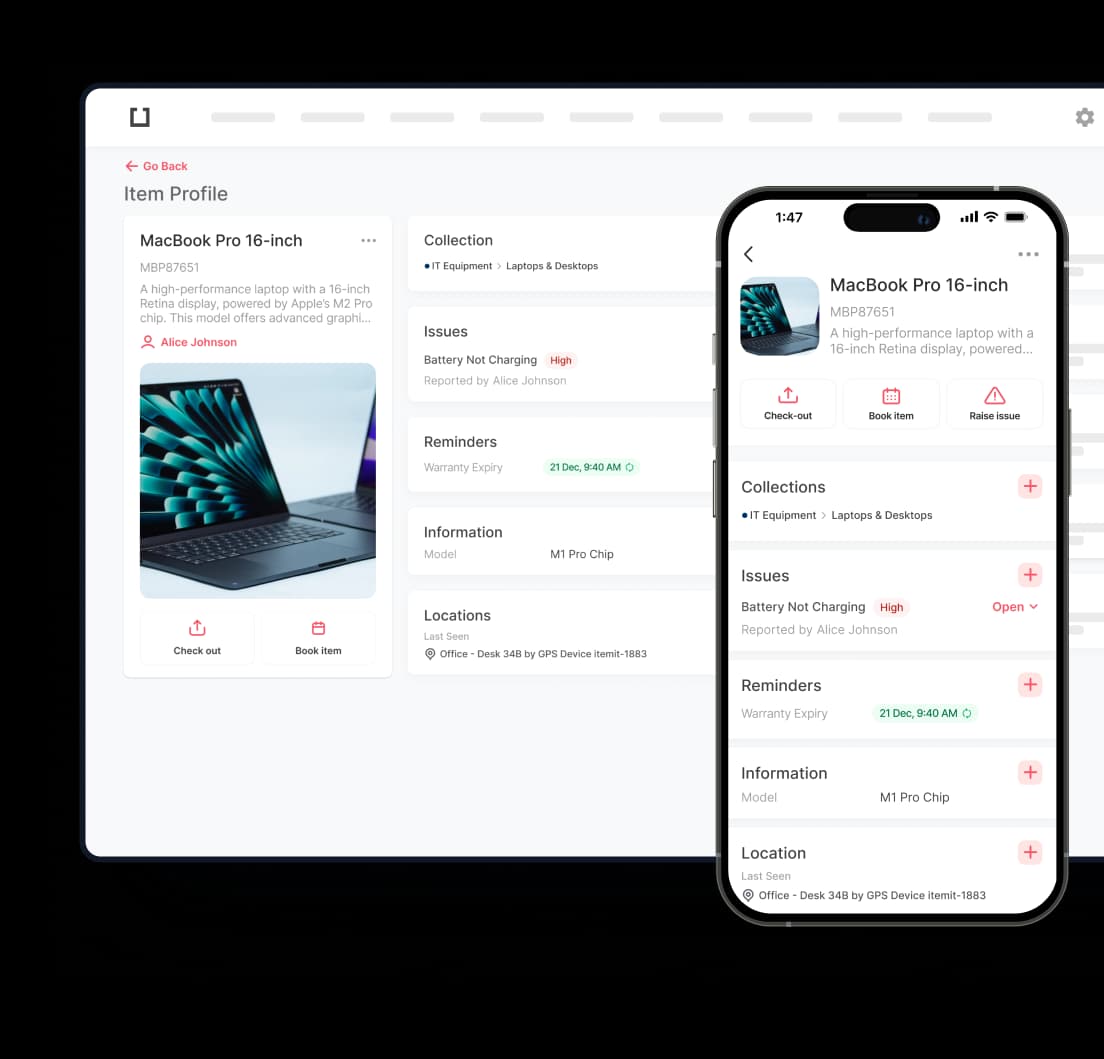
IT asset management software allows you to log unique asset profiles and populate these profiles with unique asset information.
This means that you'll be able to use certain tools for hardware asset management as well as software asset management.
Software asset management tools may be the ability to add login credentials and attachments that provide speedy training for your colleagues.
Overall, the software asset management tools at your disposal will give you the ability to create an accurate audit trail and a clear overview of who has access to your software assets.
You'll also be able to add important reminders and financial information, meaning you'll be able to set reminders for when software renewals are due, regardless of whether this is monthly or annually.