The Benefits of Implementing a Barcode Inventory System

By Dr. Alex Wong
Published on December 5, 20251 min read
Back to Blog
Published on December 5, 2025 • 6 min read

Businesses lose millions each year tracking inventory the wrong way. Studies show 35% of companies face a substantial profit impact from poor stock control. Quick fixes don't work anymore. Smart tracking solutions make the difference between thriving and struggling to remain competitive. Barcode inventory systems turn inventory chaos into smooth operations that actually deliver results.

Key Takeaways

  • Barcode scanning cuts data entry mistakes down to just 0.1% versus manual tracking 
  • Real-time updates give you instant stock visibility across every location and sales channel 
  • Automated processes slash labour costs while boosting efficiency by 30-50%
  • Modern systems connect with your existing business tools for complete inventory control

What Makes Barcode Inventory Systems Work

A barcode inventory system uses scannable codes to track stock automatically. Three main pieces make it happen: scanners, software, and labels. No more guessing games or endless spreadsheets.

Today's inventory management technology encompasses far more than basic bar codes. These systems talk to your accounting software, point-of-sale systems, and warehouse tools. Every scan feeds information across your entire business network.

Bar codes themselves have gotten smarter, too. 2D barcodes pack tons of information into tiny spaces—manufacturing dates, batch numbers, supplier info, you name it. Track products from arrival to sale without breaking a sweat.

Moving from manual tracking to automated inventory system setups changes everything. You get exact control over your stock without drowning in paperwork. Receiving becomes faster, picking gets more accurate, and customers get what they ordered on time.

Accuracy Jumps Through the Roof

Manual counting creates problems that snowball fast. People make mistakes — that's just reality. Human error rates hit 10-15% with manual inventory, but barcode scanning stays accurate 99.9% of the time. Those numbers speak for themselves.

Inventory audit becomes way less stressful when machines do the counting. Same results every time, no matter who runs the audit. Regulators love consistent records, and your accountant will thank you during year-end reviews.

Happy customers come from getting orders right. Barcode systems stop wrong items from shipping out. One electronics company cut customer complaints by 67% just by scanning everything properly.

Getting inventory right fixes other problems you didn't even know you had. Financial reports become reliable. Forecasting actually works. Suppliers trust your orders because the numbers add up.

Companies waste 2-4% of revenue fixing inventory mistakes. Rush shipping, angry customers, replacement products—all avoidable with proper scanning. Those savings add up fast.

Speed That Actually Matters

Inventory scanning systems make everything faster. Tasks that ate up entire days now finish in hours. People spend time on work that matters instead of counting widgets.

Receiving trucks used to be a nightmare. Hours of checking items against purchase orders, updating systems manually, and figuring out where everything goes. Now, workers scan items, and the automated inventory system handles the rest. Bottlenecks disappear.

Picking orders becomes a breeze with handheld scanners. Walk straight to the right item, scan to confirm, and move on to the next one. Asset tracking software can even map the fastest routes through your warehouse. Less walking, fewer mistakes, more orders shipped.

Training new people takes hours instead of weeks. Scan the barcode, follow the prompts. That's it. Seasonal rushes don't require hiring experts anymore.

Reports happen instantly now. No more waiting for someone to compile spreadsheets. Real-time dashboards show what's moving, what's sitting, and what needs attention right now.

See Everything as It Happens

Stock levels update the second item's move. Check warehouse quantities, retail floor counts, and shipping status from your phone. No more calling around asking, "Do we have any left?"

Smart inventory management technology spots patterns you'd never notice manually. Which products fly off shelves? What moves slowly? When do seasonal trends kick in? Data answers these questions automatically.

Your business systems start talking to each other. Sales team sees real stock levels during customer calls. Purchasing gets alerts before you run out. Finance tracks turnover without requesting special reports.

Visual dashboards turn raw numbers into clear pictures. Red flags for slow movers, green lights for hot sellers, yellow warnings for potential stockouts. Make decisions based on what's actually happening, not gut feelings.

Mobile access changes how managers work. Walk the warehouse while checking stock levels on your tablet. Visit retail locations knowing exactly what's on each shelf before you arrive. Remote monitoring keeps operations running smoothly even when you're travelling or working from home.

Forecasting becomes realistic when you have real data. Historical patterns, seasonal shifts, promotion impacts—all visible in your system. Stop guessing about future needs and start planning with confidence. Automated reorder points prevent stockouts while avoiding overstock situations that tie up cash flow.

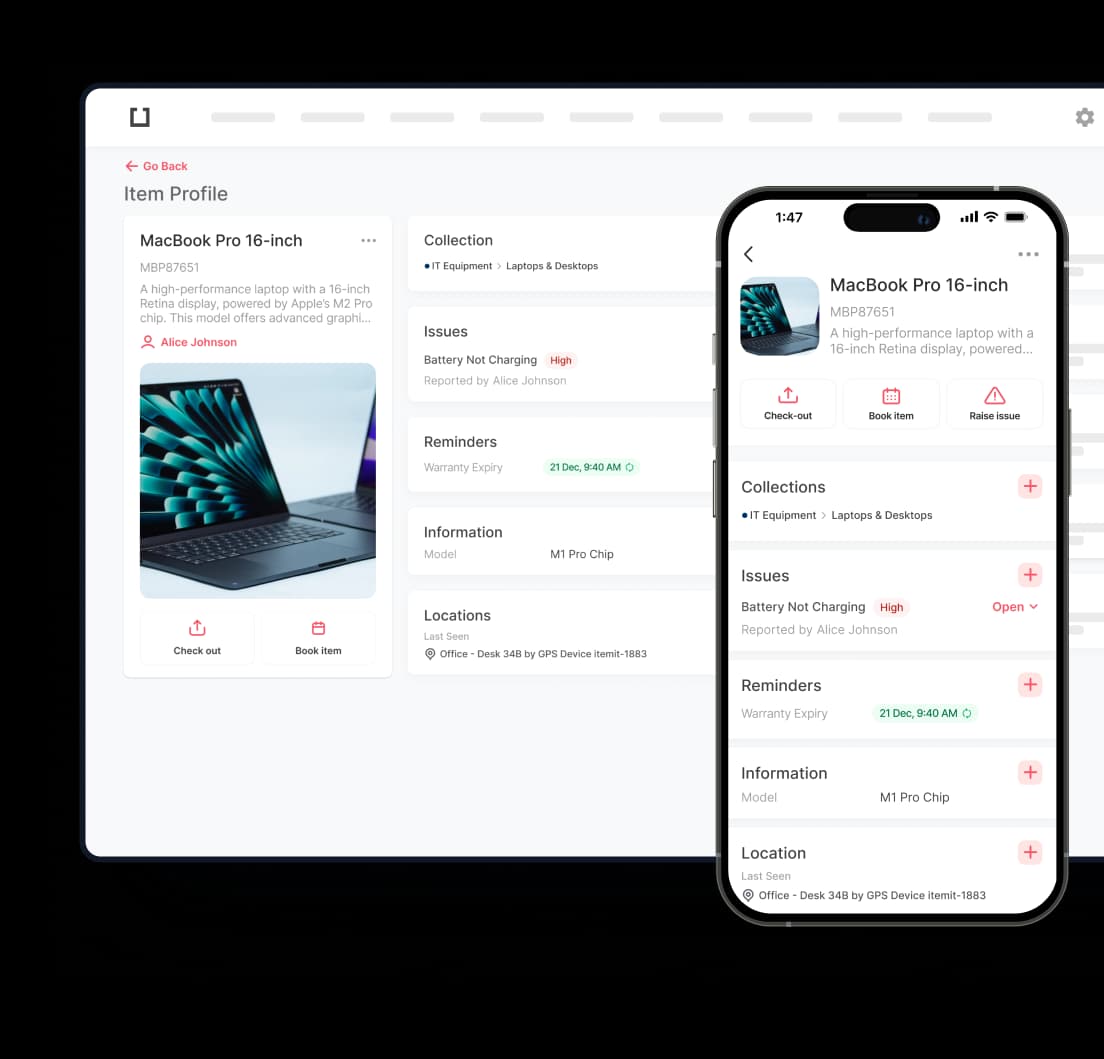
Automated inventory system

Money Saved, Profits Protected

Labour costs drop immediately after implementing barcode systems. Automated inventory system deployment typically cuts inventory staffing needs by 25-40%. People move to customer service, sales support, or other money-making activities.

Hidden savings often matter more than obvious ones. No more emergency shipping costs when you run out of stock. No more dead inventory sitting in corners. These benefits usually pay for the whole system within twelve months.
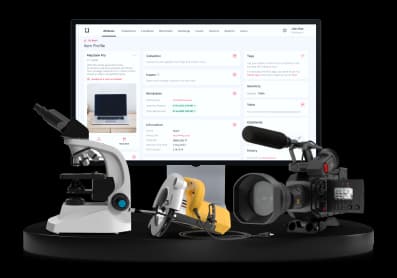

Where Money Gets Saved:

  • Less time spent counting and tracking inventory
  • No rush orders when stock runs low unexpectedly
  • Optimal inventory levels reduce storage costs
  • Products don't expire or become obsolete in storage
  • Insurance costs drop with accurate asset values

Small businesses see returns in 6-12 months. Larger operations often break even in 3-6 months. Bigger inventory volumes create bigger savings — the maths works in your favour.

Energy costs decrease when warehouse operations become more efficient. Workers cover less ground during picking, reducing lighting and climate control needs in unused areas. Automated systems also prevent equipment from running unnecessarily during low-activity periods.

Overtime disappears when inventory counts don't take all weekend. Consultant fees for fixing messed-up books become unnecessary. Write-offs from "missing" inventory stop happening. These hidden costs add up to serious money.

Better inventory data improves cash flow planning. Vendor negotiations work better when you have a solid order history. Budgets become realistic instead of wishful thinking. Strategic advantages that compound year after year.

Growing Without Growing Pains

Barcode systems scale up smoothly. New locations, more products, higher sales volumes—everything plugs into your existing setup. Technology investments stay valuable as your business expands.

Managing multiple locations becomes simple with centralised tracking. Monitor warehouses, stores, and distribution centres from one screen. Franchises and retail chains especially benefit from this unified view.

Cloud-based inventory scanning systems handle growth automatically. Seasonal spikes, big promotions, rapid expansion—processing power adjusts on demand. No server upgrades or technical headaches.

Integration keeps working as you add new tools. E-commerce platforms, accounting updates, customer management systems—modern barcode platforms connect with whatever you need. RFID tags or barcodes give you options to match your specific situation.

Future-proofing protects your investment. Artificial intelligence for demand prediction, mobile apps for remote access, IoT sensors for environmental monitoring—new features get added without starting over.

Getting Implementation Right

Planning makes or breaks barcode projects. Figure out what's broken now, what needs fixing, and what success looks like. Pick solutions that solve real problems instead of creating new ones.

Hardware That Works:

  • Scanners tough enough for your environment
  • Batteries that last through full shifts
  • Compatibility with systems you already have
  • Screens people can actually read and use
  • Wireless connections that reach everywhere needed

Training people properly prevents problems later. Show them how to scan correctly, fix common errors, and troubleshoot basic issues. Help them understand why the new way works better than the old way.

Moving data from old systems requires careful planning. Historical records, vendor information, product details—everything needs to transfer correctly. Run old and new systems together during the switch to catch problems early.

Test everything under real conditions before going live. Start with a small group, work out the kinks, then expand gradually. This prevents disasters while building internal expertise.

Security considerations matter more than most people realise. Barcode data often contains sensitive business information that competitors would love to access. Set up proper user permissions, encrypt data transmissions, and establish backup protocols to protect against system failures or cyber threats.

Quality asset tags make scanning reliable in the long term. Labels need to survive your specific environment while staying readable. Consistent placement and sizing across all items ensure smooth operations.

Planning makes or breaks barcode projects. Figure out what's broken now, what needs fixing, and what success looks like. Pick solutions that solve real problems instead of creating new ones.

Inventory scanning system

Industry Applications That Work

Retail operations benefit from accurate stock counts and faster order processing. Point-of-sale systems update inventory instantly, preventing overselling. Online and physical stores stay synchronised automatically. Black Friday and holiday rushes become manageable when systems handle the volume automatically.

Manufacturing uses barcode tracking for raw materials, work-in-progress, and finished goods. Production schedules work better with real-time component availability. Quality control improves through batch tracking and recall capabilities. Assembly lines run smoother when parts availability is never a mystery.

Healthcare demands strict tracking for regulatory compliance. Lot numbers, expiration dates, recall management—all handled automatically. Patient safety improves through medication verification and surgical instrument tracking. Hospital pharmacies especially benefit from automated expiration monitoring that prevents dangerous medication errors.

Warehouses achieve major efficiency gains through barcode implementation. Receiving, picking, and shipping all speed up while becoming more accurate. Cross-docking operations flow smoothly with real-time visibility. Third-party logistics providers use these systems to guarantee service levels for their clients while maintaining profitable operations.

The Bottom Line

Barcode inventory systems deliver results that go far beyond basic stock counting. Better accuracy, faster operations, and real-time visibility create competitive advantages while cutting costs and supporting growth. The investment pays off through happier customers, smoother operations, and smarter business decisions. Companies using barcode solutions position themselves to win in markets where inventory precision directly affects profits and customer relationships.

Frequently Asked Questions

How much does implementing a barcode inventory system typically cost?

Costs range from a few thousand dollars for small businesses to hundreds of thousands for large enterprises, depending on complexity and scale.

How long does it take to implement a barcode inventory system?

Most projects take 3-6 months from start to finish, varying with inventory size and system complexity.

Can barcode systems integrate with existing accounting software?

Yes, modern systems connect easily with QuickBooks, SAP, and other popular business platforms.

What happens if barcodes become damaged or unreadable?

Good systems include backup options like manual entry and duplicate labelling to keep operations running.

Do employees need extensive training to use barcode scanning systems?

Modern systems are user-friendly, typically requiring just a few hours to a day of basic training.

Choose a better way to track your assets.

Start your trial. 14 days. No risk. No credit card.

itemit Asset Tracking Assets

Don't just track it. itemit.

Start your trial. 14 days. No risk. No credit card.

Assets tracked using itemit