Walk into any struggling retail store and you'll see the same picture: customers searching for popular items that are out of stock while back rooms overflow with merchandise that never moves. This disconnect between what shoppers want and what retailers stock costs the industry approximately $1.8 trillion annually through lost sales, excessive markdowns, and tied-up capital that could be generating returns elsewhere. Smart retailers are transforming these losses into competitive advantages by implementing strategic inventory management retail industry approaches that directly boost their earnings.
What Retail Inventory Management Actually Means
Retail inventory management goes way beyond counting what's on your shelves. It's about getting the right products to the right place at exactly the right time – and doing it without breaking your budget or disappointing customers. Think of it like orchestrating a really complicated dance. Your suppliers, warehouse, sales floor, and customers all need to move in sync. When it works, everything flows smoothly. When it doesn't, you're scrambling to fix problems that cost serious money.
Good retail inventory management handles several jobs at once. You're forecasting what customers will want next month. You're tracking what you have right now. You're deciding when to reorder and how much to buy. You're managing returns and dealing with damaged goods. Store management in retail gets complicated fast because all these pieces connect. Miss one connection and you end up with problems that cascade through your whole operation.
Most retailers deal with three main categories. Finished products ready to sell make up the bulk of what you track. Then there's work-in-progress stuff – items being customised or assembled. Raw materials and components round out the mix if you do any manufacturing or assembly work. Getting these categories straight matters for your bottom line. Inventory vs Supplies breaks down why treating different inventory types differently can save you money and headaches.
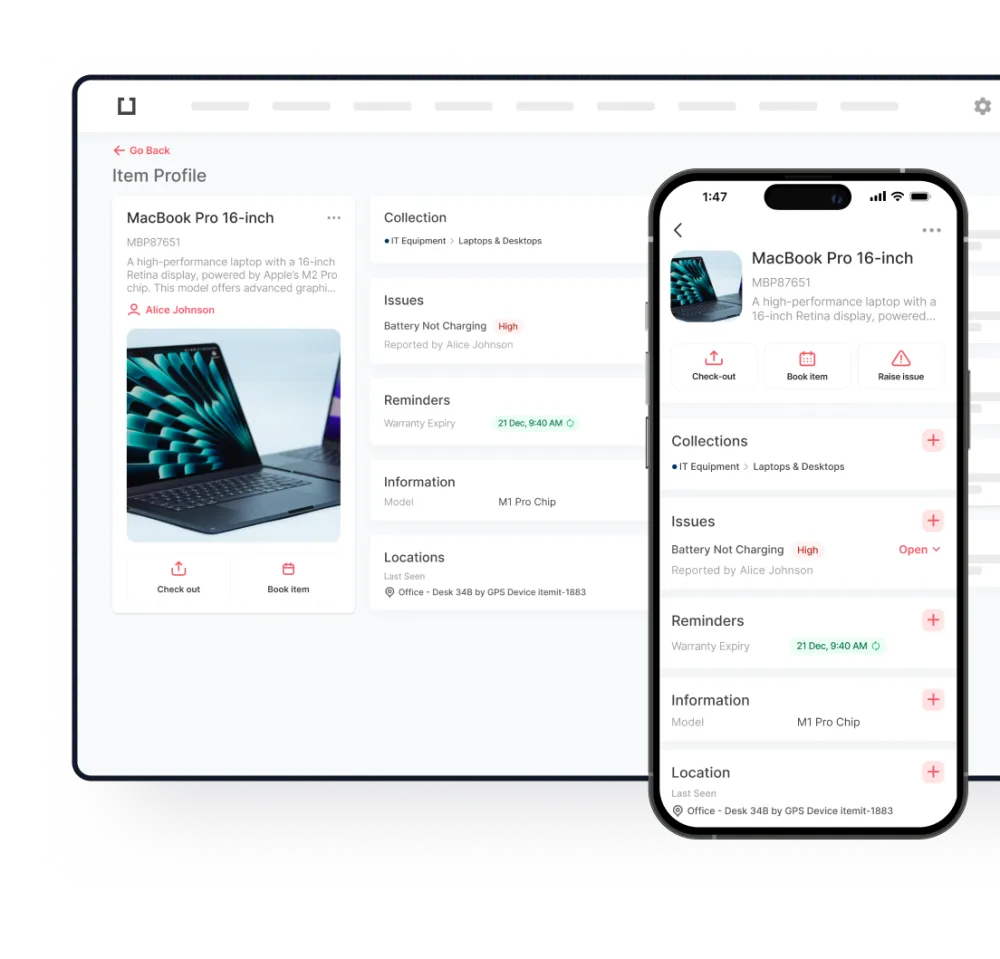
Retail inventory management faces challenges that don't exist in other industries. Your demand swings wildly based on trends nobody can predict. You're dealing with thousands of different products instead of a few key components. Seasons matter. Promotions throw everything off. Customers shop online and in-store, sometimes both for the same purchase. These complications mean you can't just use any old inventory system and expect it to work. You need something built for retail's specific challenges, which is exactly what itemit delivers through comprehensive tracking solutions that turn inventory headaches into strategic advantages
How Smart Inventory Control Puts Money in Your Pocket
Effective retail inventory management makes you money in ways that aren't always obvious. It's not just about having stuff to sell – it's about having the right stuff at the right cost while keeping your cash flowing.
Freeing Up Cash That's Sitting Around
Poor inventory control ties up cash in products that sit on shelves for months. Good inventory management retail industry practices typically free up 15-30% of working capital within a year by getting rid of slow movers and right-sizing your stock levels. That freed-up cash can fund store expansions, marketing campaigns, or new product lines that actually make money instead of collecting dust.
Cutting Costs You Didn't Know You Had
Retail inventory management saves money in sneaky ways. You spend less on storage when you're not hoarding excess inventory. Emergency orders at premium prices become rare when your reorder systems work properly. Markdowns hurt less when you spot slow movers early and can move them before they become total losses. Even your insurance costs drop when you're not carrying excessive inventory values.
Stopping Lost Sales Before They Happen
Empty shelves cost retailers more than just the immediate lost sale. Research shows 70% of customers will shop somewhere else when they can't find what they want. That's permanent business walking out your door. Smart retail inventory control prevents these losses by keeping popular items in stock without overstocking everything else. It's about finding that sweet spot where you capture sales without drowning in carrying costs.
Making Better Buying Decisions
Data from good retail inventory management helps you negotiate better deals with suppliers. When you know exactly how much you'll need and when, you can commit to volumes that unlock bulk discounts. You can time purchases to take advantage of seasonal supplier pricing. You also avoid the panic buying that happens when you suddenly realize you're out of something important. Panic buying always costs more.
Real Numbers from Real Retailers
Companies that get their inventory management retail industry approach right typically see 200-400% ROI within two years. One mid-sized electronics chain cut inventory costs by 28% while boosting sales by 12% just by having the right products available when customers wanted them. That translated to $2.3 million in additional annual profit.
The math works because you're attacking the problem from multiple angles – lower costs, higher sales, better cash flow.
Retail Inventory Systems That Actually Work

Modern retail inventory systems use technology to handle the routine stuff automatically, so your team can focus on strategy and customer service instead of constantly counting and reordering.
Picking the Best Retail Inventory Management Software
Choosing retail inventory management software means finding something that matches how your business actually works. The fanciest system in the world won't help if your team won't use it or if it doesn't connect with your existing setup.
Look for real-time tracking that updates as sales happen. Automated reordering that adjusts based on actual sales patterns, not just static rules. Reporting that tells you what's working and what isn't. Integration with your point-of-sale and accounting systems so that data flows automatically.
The best systems feel natural to use. If your team needs weeks of training just to do basic tasks, you've probably picked the wrong solution.
Features That Make a Difference
Retail stock management systems earn their keep through specific capabilities that solve real problems. Real-time inventory tracking means you always know what you actually have, not what you think you have. No more promising customers products that walked out the door an hour ago.
Automated reordering prevents those "how did we run out of that?" moments while avoiding the "why do we have so much of this?" problems. The system learns your patterns and adjusts automatically. Good reporting shows you which products make money and which ones tie up capital for no good reason. You can spot trends before they become problems or opportunities before competitors notice them.
Connecting Everything Together
Retail stock management systems work best when they "talk" to your other business systems. Point-of-sale integration means inventory updates happen automatically when you make a sale. Accounting connections track costs and margins without extra data entry. E-commerce integration keeps online and store inventory in sync. No more overselling online because you didn't know the store sold the last one, or disappointing store customers because the website allocated all your stock.
Mobile Access Changes Everything
Your team needs information where they work, not just at a computer terminal. Modern retail inventory systems let staff check stock levels from the sales floor, receive shipments from the loading dock, and place orders from anywhere in the store. This mobility eliminates the running back and forth that wastes time and frustrates customers. Staff can give accurate information immediately instead of promising to "go check in the back."
How Can You Master Retail Inventory Control?
Retail inventory control combines smart techniques with consistent execution to optimise stock levels and maximize profitability without creating operational headaches.
Focusing on What Matters Most
Not all products deserve the same attention. Retail inventory control starts with ABC analysis, categorizing products by importance. Your A items – the 20% of products that generate 80% of profits – get intensive management. You watch them closely, forecast carefully, and never let them run out. B items get moderate attention with regular reviews and automated systems handling most decisions. C items use simple approaches that minimize management time while keeping adequate stock. This prioritization ensures you spend your energy where it makes the biggest difference to your bottom line.
Setting Smart Reorder Points
Effective retail store inventory management means never running out of important items without stockpiling everything. Reorder points need to account for how fast things sell, how long suppliers take to deliver, and how much demand varies. Safety stock provides a buffer against surprises – unexpected demand spikes or supply delays. But too much safety stock ties up cash unnecessarily. Good systems adjust these levels based on actual performance, not guesswork.
Predicting What Customers Will Want
Demand forecasting sounds complicated, but it's really just organised common sense. Retail store inventory management systems look at historical sales, seasonal patterns, promotional impacts, and market trends to predict future needs. The goal isn't perfect predictions – that's impossible. You want predictions good enough to make better decisions about ordering, pricing, and promotions.
Planning for Seasonal Changes
Inventory planning gets tricky when demand patterns shift dramatically. Holiday seasons, back-to-school periods, and weather changes can double or triple normal sales volumes. Successful retailers plan these periods carefully. They build up inventory before the rush, monitor performance during the season, and clear out leftovers efficiently afterward. Each cycle teaches lessons for the next year.
Coordinating Multiple Locations
Multi-location retail inventory control means making sure each store has what it needs without duplicating safety stock everywhere. Some items might be centralized in a main warehouse. Others need local stock for immediate availability. Transfer systems let you move inventory between locations when demand patterns shift. The goal is to have products available where customers want them without excessive total inventory investment.