Any workplace must ensure that equipment is safe and works well. A big part of this is the PUWER equipment regulations, officially called the Provision and Use of Work Equipment Regulations. These rules aim to lower the risks associated with using equipment by telling employers how to manage and fix it. By following PUWER equipment guidelines, businesses can make the workplace safer and keep their workers from getting hurt.
Equipment management under PUWER is all about taking care of things. It makes sure that employers check their tools to make sure they are useful, keep them in good shape, and train their employees properly. Following PUWER equipment standards is very important to keep accidents from happening and to follow safety laws at work, whether it's with tools in a factory or on a construction site.
Equipment management is important for more reasons than just following the law. As a result, there is more safety, less downtime due to broken equipment, and more work gets done. Any organisation that wants to keep its operations safe and efficient needs to know what the PUWER equipment regulations cover.
What Equipment Is Covered by PUWER?
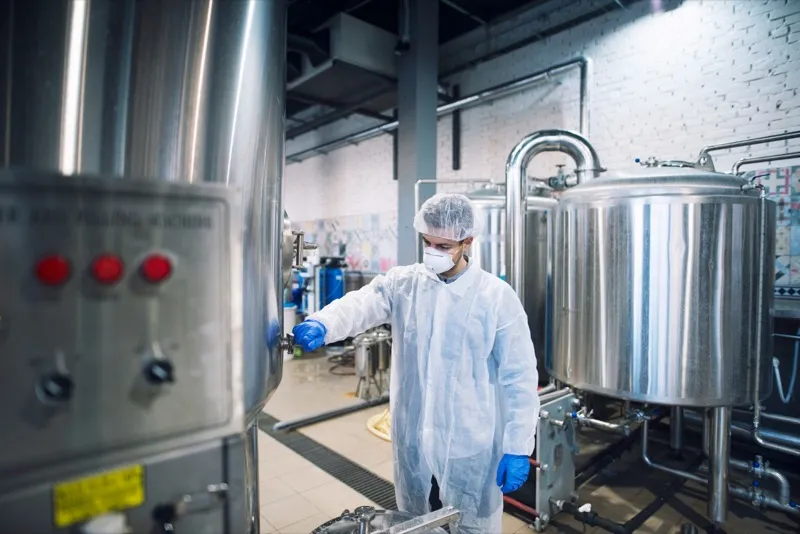
When you walk into a busy warehouse or factory floor, how often do you stop to think about whether the tools and machinery around you are safe and well-kept? To make sure compliance and safety at work, you need to know what equipment is covered by PUWER. The rules cover a lot of different types of tools and machines used in many different fields. They cover manufacturing equipment, construction tools, and even mobile work vehicles. PUWER makes sure that this kind of equipment is safe to use, well-kept, and right for the job. Businesses can find potential problems before they get worse by following regular inspections and procedures. This cuts down on downtime and accidents that could affect daily operations.
Think about the machines and tools you use at work. Do they meet PUWER's safety standards? Equipment that PUWER covers includes machines, hand tools, lifting gear, and mobile work gear. This makes sure that these important things are safe and do their job. Of course, there are some exceptions. Some things that aren't covered by PUWER are private vehicles and home appliances. This is because these aren't usually used at work and don't pose the same risks as equipment used at work. PUWER's main job is to make sure that the risks that come with the tools and machines that workers use every day are managed. Also, some equipment is governed by more specific laws. For example, pressure systems and explosive materials are governed by separate laws.
PUWER Equipment List
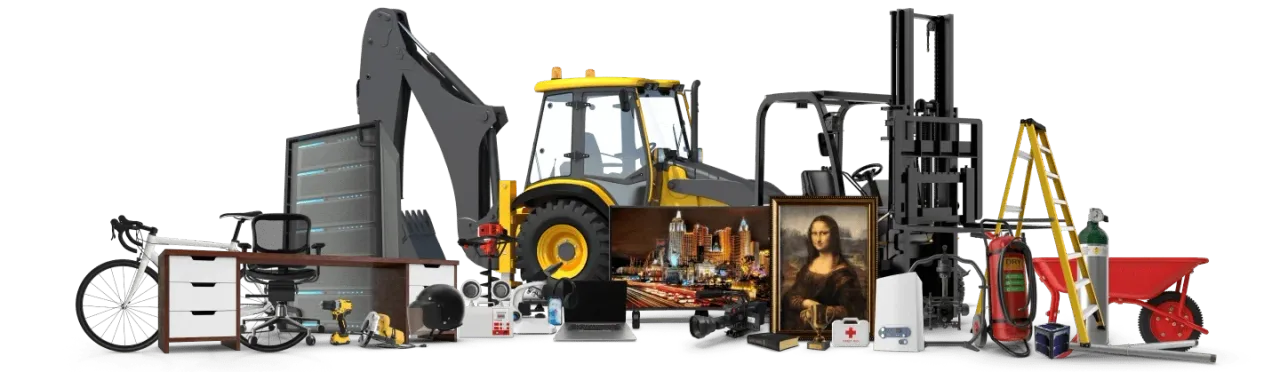
Reducing risks and guaranteeing compliance rely upon realising the kind of tools PUWER covers. Every category stands for possible risks that, if not under control, could cause legal obligations and workplace mishaps. Usually covered under PUWER rules, these are the main types of equipment:
- Machinery: This covers industrial machinery used in several fields, including manufacturing lines, assembly robots, conveyor belts, and cutting tools. The main focus is on keeping these complicated systems safe and well-maintained to avoid mishaps and downtime.
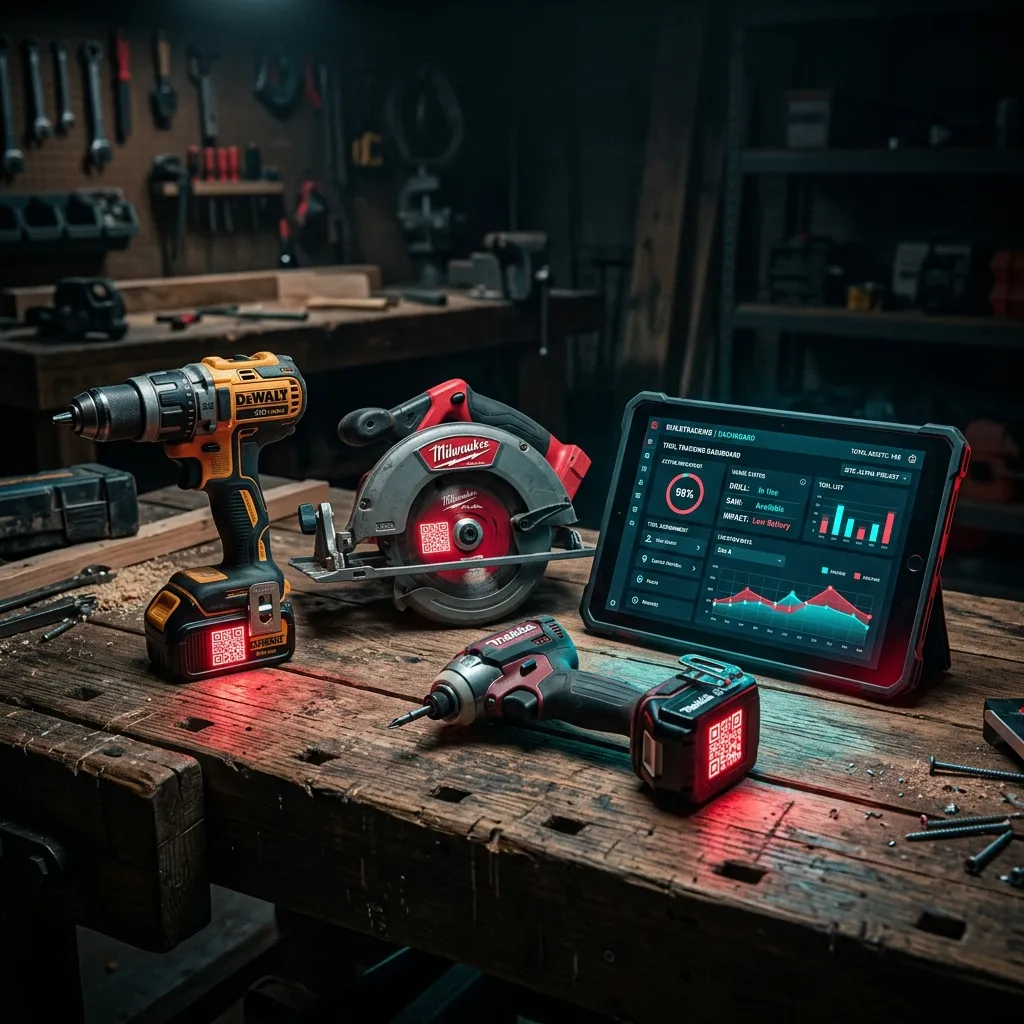
- Hand Tools: Basic daily tools include wrenches, screwdrivers, saws, and drills. Though they seem less dangerous, improper use or inadequate maintenance can still result in injuries.
- Lifting Equipment: Any tool used to safely move large objects—such as cranes, forklifts, hoists, and lifting slings. Preventing load-related mishaps depends on routinely ensuring these are checked.
- Mobile Work Equipment: This covers tractors, bulldozers, or even ride-on mowers—vehicles and tools used for tasks connected to the workplace. Because of their mobility and need for particular safety procedures, these create special hazards.
- Personal Protective Equipment (PPE) Used in Machinery Operation: Although not always considered, PPE, such as helmets, gloves, and protective eyewear, is crucial for safely operating machinery and falls under more general PUWER-related responsibilities.
Main Requirements of PUWER in Respect of Equipment Provided for Use at Work
Workplace equipment can really be a great help or a big problem, all depending on how it's handled. PUWER regulations mainly focus on making sure that equipment not only works properly but also ensures everyone's safety. Let’s dive into what employers should keep in mind — we’ll take a practical look at the real-world risks and the solutions that can help.
Suitability of Equipment
Imagine a worker asked to cut metal sheets with a tool meant for wood. That mismatched is dangerous as well as ineffective. PUWER places responsibility on companies to provide the correct tools for the job—those that fit the task, the surroundings, and the operator's skill level. Still, it's more than just following a formula. It is about realising that inappropriate tools cause errors, injuries, and expensive downtime. When evaluating fit, go beyond mere functionality and take into account factors including temperature, noise, and even user tiredness.
Regular Maintenance and Inspections
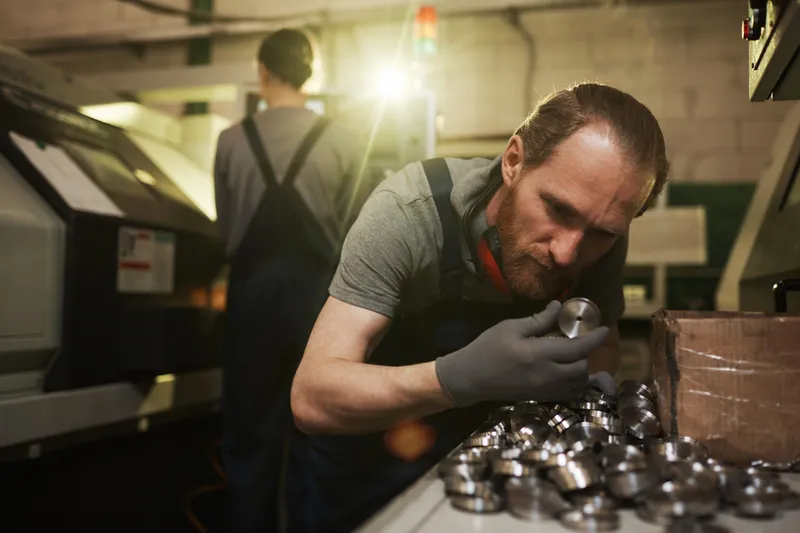
Equipment breaks not out of nowhere. It gradually wears down, a frayed wire here, a loose bolt there; one day, it breaks down completely. PUWER forces companies to have a proactive maintenance schedule in place to find these problems early on. Consider it as a machinery health check. Regular inspections offer an opportunity to identify possible hazards before they become full-fledged issues. Thus, they should be more than a formality. Employers should record these checks so that any repairs are done and a clear record of maintenance actions exists.
Operator Training and Competence
Have you ever seen someone have trouble with a machine they've never used before? Being able to watch it is scary and dangerous. PUWER rules make it clear that operators need to be trained over and over again. It is not enough to just teach people "how to do" something. It should also include being able to spot early signs of a problem and knowing what the equipment can and can't do. Employers should also make sure that the training fits the needs of each worker. When employees have different amounts of experience and responsibility, a one-size-fits-all approach won't work.