Monday morning. Network crawling. The IT team is panicking.
Three hours later, they find the culprit: a rogue device nobody knew existed, quietly hogging bandwidth for weeks. Does this scenario ring a bell?
You're not alone if your organisation still tracks network assets through spreadsheets and manual audits. Studies reveal that 80% of companies wrestle with outdated infrastructure management. But here's the thing—network inventory management can flip this chaos into organised, secure operations that actually save money.
What Network Inventory Management Really Means
Think of network inventory management as your IT infrastructure's GPS system. Instead of wandering around hoping to find devices, you get real-time maps showing exactly where everything lives and how it's performing.
This goes way beyond simple asset lists. Network asset management covers physical devices like servers and switches, plus software licenses, virtual machines, and cloud resources. Modern network inventory tools automatically discover devices, track configurations, and alert you when something changes—no more manual hunting expeditions.
Here's what sets professional network device inventory apart: comprehensive device specs, firmware versions, security patches, network connections, and performance data. Your team gets actionable intelligence instead of static spreadsheet rows.
The shift from manual tracking to automated solutions changes everything. Today's network inventory tools scan entire networks in minutes, spotting new devices and configuration changes that used to take hours or days to find manually.
The Real Cost of Flying Blind
Poor network visibility hits your wallet harder than you might think. Take the mid-sized company paying for software licenses on dead devices. Or the manufacturing plant that lost a week of production because nobody noticed a critical server was failing.
Inadequate network asset management creates expensive problems:
- Security breaches start with unknown devices slipping through monitoring gaps.
- Compliance failures can result in hefty fines when auditors can't find proper IT oversight documentation.
- Resource waste happens when teams buy duplicate equipment because they can't track existing assets.
Productivity takes a hit, too. IT staff waste time troubleshooting preventable issues. Help desk tickets multiply when employees struggle with unmanaged devices. Projects stall when teams can't quickly locate suitable resources.
These network problems connect directly to broader IT Inventory Management headaches. Without accurate asset data, strategic technology decisions become educated guesses at best.
Why Modern Systems Work So Well
Security Gets Serious
Automated discovery transforms security monitoring. Network configuration management enables IT teams to enforce consistent policies across all infrastructure, detecting unauthorised changes instantly.
Compliance reporting becomes straightforward when you have accurate, real-time device data. Whether you're dealing with industry regulations or general security standards, comprehensive network device inventory systems provide the documentation auditors require.
Operations Run Smoother
Troubleshooting accelerates when technicians can quickly identify device relationships and recent changes. Maintenance planning improves with accurate warranty status and lifecycle data.
Integration with existing IT Asset Management Software creates seamless workflows between network management and broader IT operations. No more data silos or conflicting information.
Money Stays in Your Pocket
Accurate tracking prevents unnecessary purchases. Organisations often discover they already own suitable equipment for new projects after implementing inventory systems. Warranty tracking maximises equipment value while enabling strategic replacement planning.
License management prevents both over-purchasing and compliance violations. Track software deployment and usage patterns to optimise costs while staying legal.

Must-Have Features You Will Actually Use
Discovery That Works
The best network inventory tools automatically find and catalogue devices across complex environments. Advanced scanning supports multiple protocols, covering traditional equipment, cloud resources, and IoT devices.
Real-time network device inventory updates eliminate the lag in documentation. When devices join the network or configurations change, you see updates immediately without manual intervention.
Cloud compatibility matters as organisations adopt a hybrid infrastructure. Top tools discover and track assets across on-premises networks, public clouds, and hybrid setups through one interface.
Dashboards That Make Sense
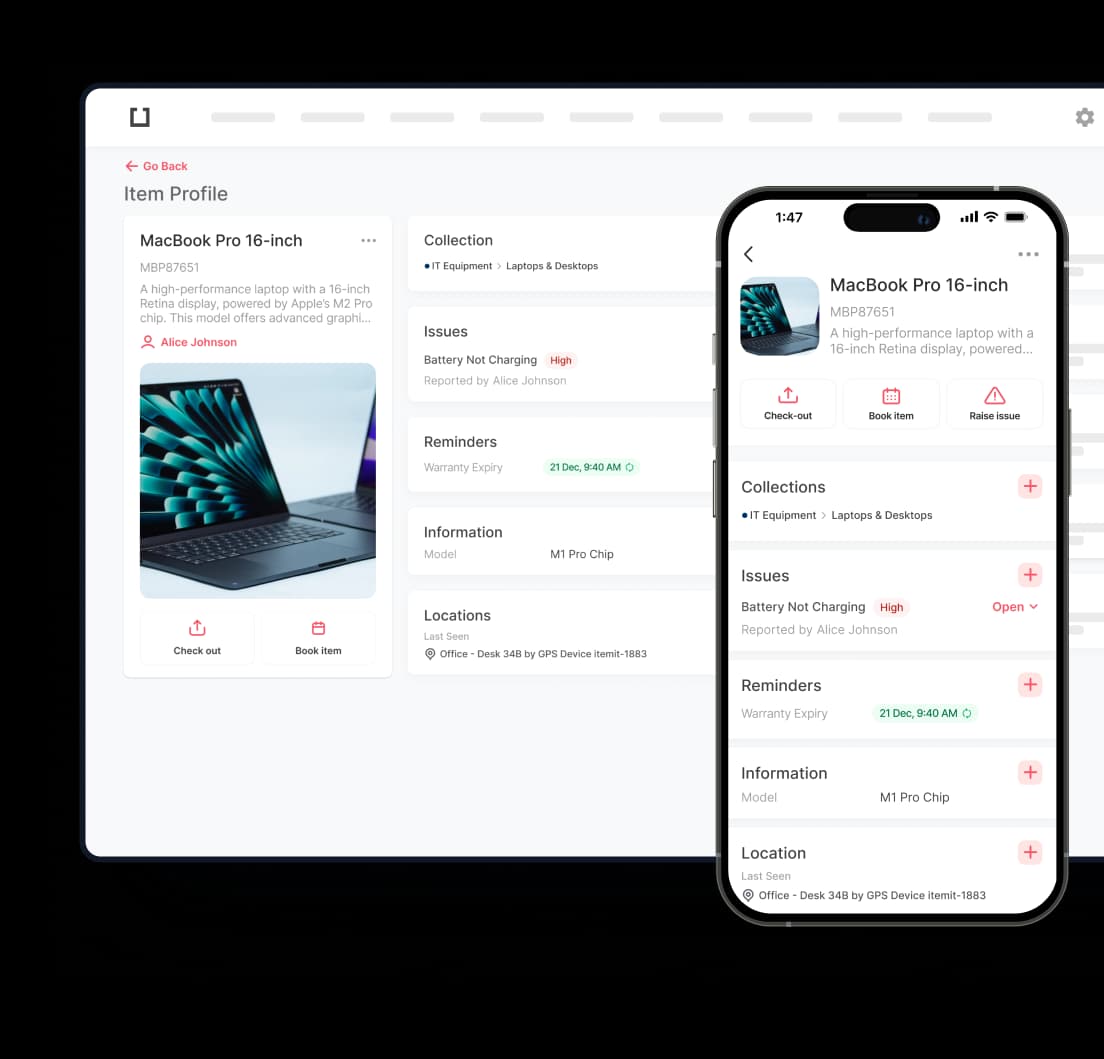
Effective network asset management requires unified interfaces that provide information without overwhelming users. Smart dashboards present critical information through clear visualisations, making it accessible to both technical staff and executives.
Role-based access ensures team members see relevant information while maintaining security. Network technicians receive detailed configuration data, while executives view performance metrics and cost summaries.
Mobile access extends management beyond the office. Remote troubleshooting and monitoring support become increasingly essential as hybrid work arrangements become more prevalent.
Change Tracking That Saves You
Network configuration and change management provide detailed records of all device modifications. Who made changes, when they happened, and what specific parameters were affected—all documented automatically.
Version control maintains historical configuration data. Teams understand how settings evolved, while audit trails support compliance and help identify security concerns.

Smart Implementation Steps
Plan Before You Deploy
Start with comprehensive planning that defines the discovery scope and establishes clear objectives. Assess current network complexity, identify critical assets, and determine integration requirements.
Device Inventory Management strategies must accommodate the different needs of various teams. Security specialists need vulnerability data, while financial managers need asset valuations for accounting.
Roll Out Gradually
Phased approaches minimise disruption while enabling learning during the implementation process. Start with single network segments or device types, then expand after refining processes.
Network inventory management system configuration should align with organisational policies. Establish naming conventions, define asset categories, and configure alerts that support proactive management without creating noise.
Agent versus agentless deployment requires careful consideration. Agent-based solutions provide detailed information, while agentless approaches reduce administrative overhead and security concerns.
Keep Improving
Regular auditing ensures continued accuracy as environments evolve. Automated validation rules identify inconsistencies while periodic manual reviews verify system accuracy.
Performance monitoring optimises efficiency while ensuring scanning activities don't impact production. Network inventory tools should enhance visibility without degrading managed system performance.
Staff training determines long-term success. When team members leverage inventory data for daily responsibilities, systems become valuable operational tools rather than administrative burdens.
How to Choose Without Getting Overwhelmed
What Really Matters
Scalability requirements should match the current size and anticipated growth. Organisations often underestimate their expansion needs, making it essential to select network inventory management software that can handle significant increases without requiring replacement.
Security and compliance features must match organisational requirements. Data encryption, access controls, audit capabilities, and reporting features support regulatory compliance and security assessments.
Integration capabilities determine workflow fit. The best network inventory management system solutions provide extensive configuration options while maintaining ease of use.
Deployment Options
Cloud-based solutions offer rapid deployment with reduced infrastructure requirements. Automatic updates and built-in redundancy appeal to organisations seeking quick implementation with minimal overhead.
On-premises deployments give complete data and system control, which may be required for compliance or security. However, they require internal expertise for maintenance, updates, and security management.
Hybrid models combine the benefits of both approaches. Maintain sensitive data internally while leveraging cloud capabilities for scalability and advanced features.