Your research team discovers they need a specific antibody for tomorrow’s experiment. After searching three storage rooms, you find it, only to realise it expired two months ago. Meanwhile, purchasing records show your lab bought four identical vials last quarter. Sound familiar?
This scenario plays out daily across laboratories worldwide. Laboratory inventory management problems cost facilities millions of dollars annually through expired materials, duplicate purchases, and research delays. Yet most labs still track supplies using spreadsheets and handwritten logs.
Smart laboratory inventory systems change everything. When one Fortune 500 company modernised its tracking system, the number of expired chemicals dropped from 4,000 items to just 45. The result? Two million dollars saved every year.

Understanding the Real Cost of Poor Lab Inventory Control
Inventory laboratory mismanagement creates financial bleeding that extends far beyond visible waste. Labs typically lose 5% of their total stock to expiration, but that’s just the beginning.
Consider the hidden expenses: rush orders at premium pricing, disposal fees for hazardous waste, and staff time spent hunting for misplaced items. Research shows that lab personnel spend 25% of their time managing inventory data through outdated systems. That’s one full day per week lost to administrative tasks instead of actual science.
Research delays compound these costs exponentially. When critical materials are unavailable, projects stall, deadlines slip, and grant funding is jeopardised. A single delayed clinical trial can cost pharmaceutical companies millions in lost revenue opportunities.
Then there’s compliance risk. Regulatory bodies, such as CLIA, CAP, and OSHA, require meticulous documentation. Poor laboratory inventory management creates audit vulnerabilities that can result in substantial fines and operational shutdowns.
Safety concerns multiply when tracking breaks down. Unknown expiration dates, improper storage conditions, and missing safety documentation put both research integrity and staff wellbeing at risk.
Building Blocks of Effective Laboratory Inventory Systems
Successful lab inventory management requires an integrated approach that addresses every aspect of material lifecycle oversight.
Complete Visibility Matters Most
Modern laboratory inventory management systems provide real-time insights into everything: quantities, locations, expiration dates, usage patterns, and reorder points. No more guessing games or surprise stockouts.
Environmental Controls Prevent Losses
Many reagents demand specific storage conditions. Temperature swings or humidity changes can destroy expensive materials before you realise there’s a problem. Smart laboratory inventory platforms integrate with monitoring sensors, sending immediate alerts when conditions drift outside acceptable ranges.
Automated Documentation Saves Time
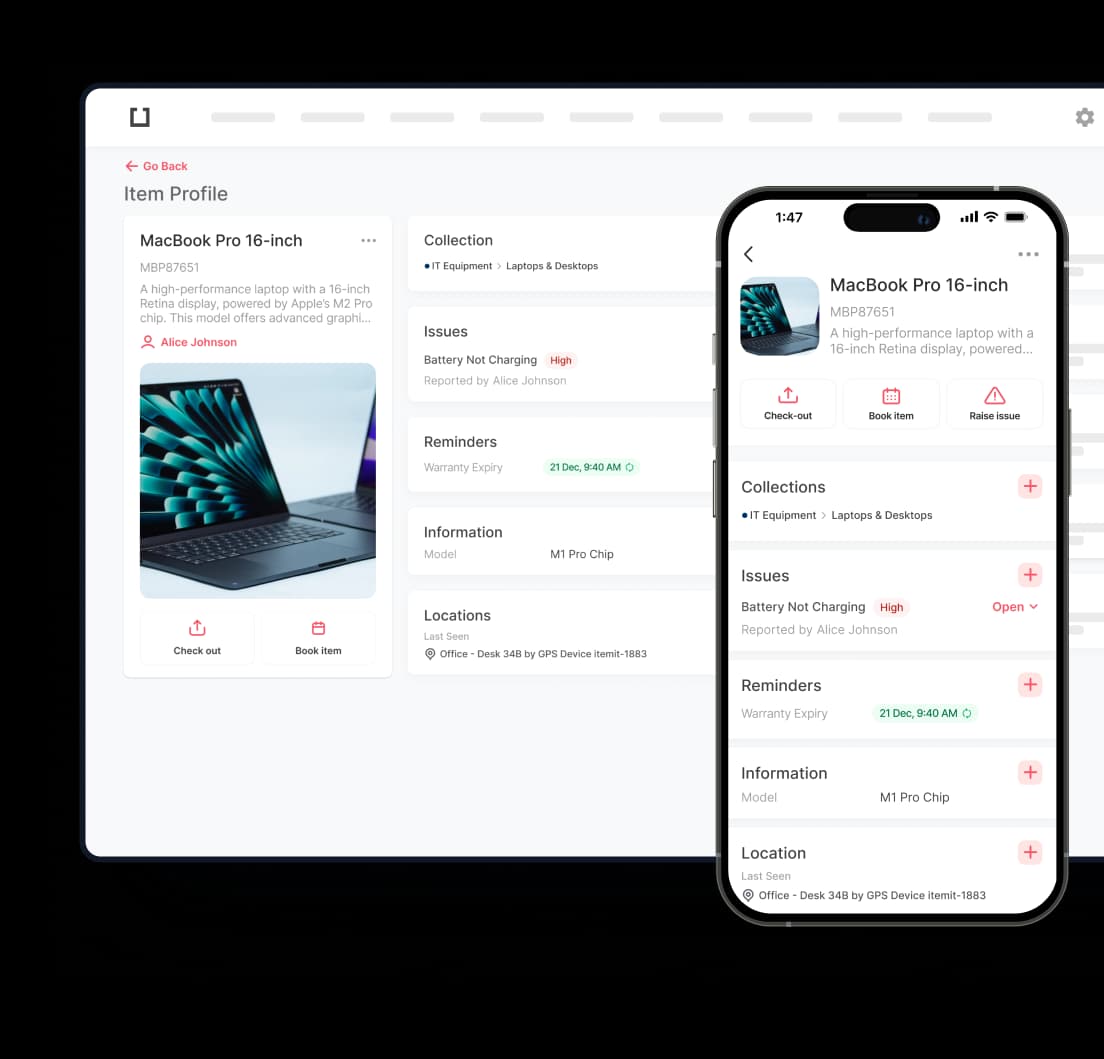
Digital lab inventory management software eliminates the need for manual logbooks and error-prone spreadsheets. Every transaction is automatically recorded, creating detailed audit trails that meet regulatory requirements while reducing administrative burden.

Digital Transformation
The shift from manual to automated laboratory inventory management represents a massive opportunity. Statistics reveal that 85% of labs still depend on paper or Excel for tracking, despite digital solutions delivering dramatic improvements.
Core Features That Drive Results
- Smart Stock Control: Laboratory inventory management software analyses usage patterns and automatically generates purchase orders when supplies reach predetermined levels. This eliminates both stockouts and overordering while freeing staff from routine tasks.
- Barcode Integration: Scanning technology reduces data entry errors by over 90% while accelerating routine transactions. Staff can quickly process receipts, usage, and location changes with simple scans.
- Mobile Access: Today’s solutions provide full smartphone and tablet functionality. Lab personnel can update inventory records directly from bench locations, ensuring data stays current and accurate.
- System Integration: The best lab inventory management systems connect seamlessly with existing LIMS, ELN, and procurement platforms, creating unified workflows that eliminate duplicate data entry.
Practical Strategies for Waste Reduction and Cost Control
Smart laboratory inventory management transforms operations through strategic approaches that address the root causes of waste and inefficiency. Here’s how leading labs achieve dramatic cost reductions.
First-In, First-Out Implementation
FIFO protocols do more than prevent expired materials. They create systematic approaches to inventory rotation that can reduce waste by up to 40%. Digital systems take FIFO beyond simple date tracking by creating visual indicators on storage locations, generating pick lists that prioritise older stock, and sending escalating alerts as expiration dates approach.
Consider how this works in practice: A research lab using FIFO automation saw its antibody waste drop from $15,000 monthly to under $2,000 within six months. The system highlighted a 30-day expiration window for high-value reagents and a 7-day window for temperature-sensitive materials, ensuring that critical items were never overlooked.
Implementation tip: Combining colour-coded labelling with digital tracking creates foolproof rotation systems. Green labels for items with over 90 days until expiration, yellow for 30-90 days, and red for items requiring immediate use.
Centralised Procurement
Decentralised purchasing creates more problems than convenience. Labs operating with multiple purchasing points often discover they’re paying 15-25% more for identical items due to missed volume discounts and emergency ordering.
Consolidated inventory laboratory management transforms purchasing power. When departments coordinate orders, they can negotiate annual contracts with preferred suppliers, secure volume pricing tiers, and eliminate duplicate emergency orders that cost 2-3 times standard pricing.
Real-world example: A multi-department research facility centralised its reagent purchasing and immediately achieved 18% cost savings through volume contracts. They also reduced their supplier base from 47 vendors to 12 primary partners, streamlining both ordering and accounts payable processes.
Data-driven reordering adds another layer of optimisation. Instead of ordering based on historical patterns or gut instinct, smart systems analyse actual consumption rates, seasonal variations, and project requirements to calculate optimal order quantities and timing.
From Reactive to Proactive Inventory Management
Advanced laboratory inventory management software transforms historical data into actionable intelligence. These systems don’t just track what happened. They predict what will happen and recommend specific actions.
- Usage pattern analysis reveals hidden trends. Maybe your molecular biology lab uses 30% more enzymes during grant application seasons, or your clinical lab sees reagent spikes during flu outbreaks. Understanding these patterns prevents both stockouts and overordering.
- Seasonal forecasting becomes particularly valuable for labs with cyclical research patterns. University labs may require different inventory strategies during academic terms compared to summer research periods. Pharmaceutical labs may adjust stock levels based on the phases of clinical trials.
- Project-based forecasting links inventory needs to specific research timelines. When a three-month study requires specific reagents, the system can calculate precise quantities needed and schedule deliveries to minimise storage costs while ensuring availability.
- Cost optimisation algorithms continuously evaluate the trade-offs between carrying costs, volume discounts, and stockout risks. This might involve ordering certain high-volume, stable reagents on a quarterly basis to capture volume pricing, while ordering speciality items just-in-time to minimise waste.
Protecting Your Investment Around the Clock
Lab equipment tracking software with environmental monitoring capabilities acts as a 24/7 guardian for your valuable inventory. Temperature fluctuations, humidity changes, and power outages can cause thousands of dollars in material damage within hours.
Modern monitoring systems go beyond simple alerts. They provide graduated response protocols based on severity and duration of environmental deviations. A brief temperature spike might trigger a warning email, while sustained problems initiate escalating notifications to multiple staff members.
- Smart storage solutions integrate monitoring with inventory management to optimise efficiency. Freezers equipped with sensors can automatically log temperature data for compliance purposes while tracking which specific samples or reagents are at risk during environmental events.
- Predictive maintenance features analyse equipment performance patterns to identify potential failures before they happen. When a freezer’s compressor starts showing irregular patterns, the system can alert maintenance staff and suggest moving critical materials to backup storage, preventing losses entirely.
- Documentation automation ensures that environmental data gets captured for regulatory compliance without manual intervention. This proves particularly valuable during inspections when auditors need to verify that storage conditions remained within specifications throughout the audit period.
- Recovery protocols help minimise losses when environmental problems do occur. The system can quickly identify which materials were affected, assess their viability based on exposure duration and conditions, and generate reports for insurance or supplier replacement claims.