Three days ago, Jensen Huang stood on stage at Nvidia’s GTC 2026 conference in San Jose and said something that should have every operations manager paying attention.
“Every company in the world today needs to have an OpenClaw strategy, an agentic system strategy. This is the new computer.”
He compared it to HTML. To Linux. To the operating system itself.
OpenClaw, for anyone who hasn’t been following the GitHub trending page recently, is the most starred open source project in the history of the platform. It lets AI agents browse, read, write, and act inside real systems autonomously. Nvidia just built an entire product layer around it. OpenAI hired its creator. Jensen Huang is calling it the future of computing.
And almost nobody in operations is asking the obvious question.
If AI agents are about to run your business, what are they going to do when they can’t find your equipment?
Start tracking your assets free with itemit. 14 days, no credit card needed
What OpenClaw Really Is and What It Means for Asset Tracking
Most people outside software engineering heard about OpenClaw for the first time this week. So a quick grounding before we get into what it means for asset tracking and operations.
OpenClaw is an agent framework. It gives large language models like Claude and GPT-5.4 the ability to take actions inside real systems, not just answer questions about them. An OpenClaw agent connected to your email can read, draft, and send messages on your behalf. Connected to your calendar, it schedules. Connected to your asset tracking system, it audits, flags, reconciles, and updates your register without anyone telling it to.
The reason Huang compared it to an operating system is because that is essentially what it is becoming. The layer that sits between AI intelligence and the real tools businesses run on. Every major company is now asking how to build their OpenClaw strategy because the ones that don’t will be running manual processes while their competitors run autonomous ones.
At GTC, Nvidia announced a full suite of tools to help companies build secure OpenClaw agents with privacy controls and enterprise-grade permissions. The message was unambiguous. This is not a developer toy anymore. This is infrastructure. And your asset tracking system is one of the first places it will look for data.
Why Your Asset Tracking Data Is the Missing Piece in Every OpenClaw Strategy
Here is the thing about agentic AI that the GTC keynote did not cover.
AI agents are extraordinary at working with digital systems. Data, files, APIs, software workflows. Point an OpenClaw agent at your CRM and it will manage your pipeline. Point it at your finance system and it will reconcile your accounts. Point it at your HR platform and it will handle onboarding.
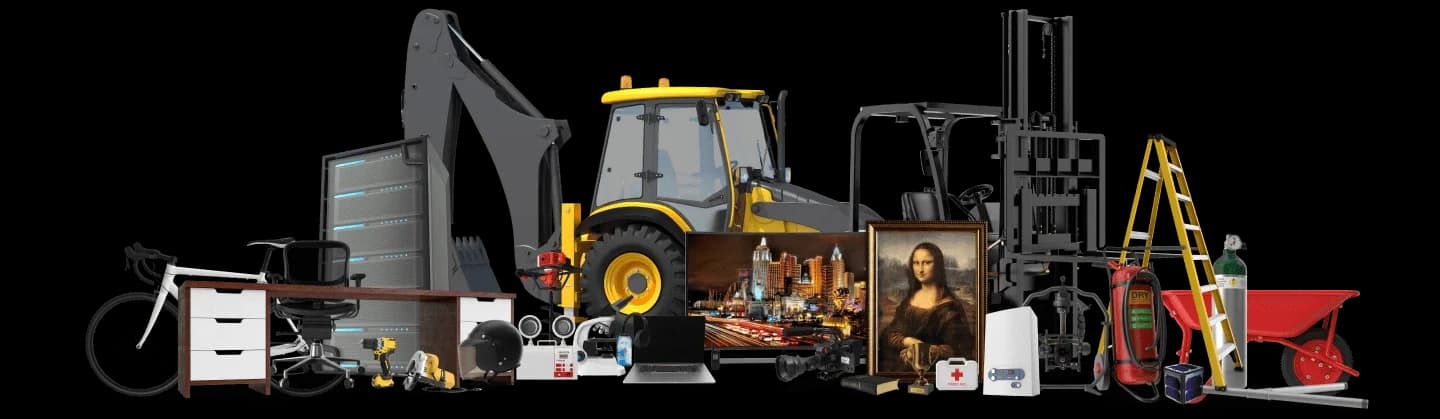
But every one of those digital systems has a physical world behind it. The laptops your employees use. The equipment your warehouse runs on. The tools your construction teams depend on. The servers your infrastructure sits on. The furniture, the vehicles, the machinery, the devices.
Physical assets. Real things. Things that move, get lost, break down, go missing, get borrowed and never returned, sit idle in storage rooms while someone on another site raises a purchase order for the exact same item.
An OpenClaw agent connected to your CRM knows everything about your customers. It knows nothing about where your assets are.
That gap is not a small problem. It is the gap where money disappears. Ghost assets on the books that no longer exist. Duplicate purchases because visibility stops at the warehouse door. Equipment hire costs for kit that was sitting unused three floors up.
You cannot build a complete agentic strategy on a foundation with that hole in it.
How OpenClaw Transforms Asset Tracking Across Your Business
Huang’s point at GTC was that the companies building agentic strategies now will have an operational advantage that compounds over time. The ones waiting will spend the next three years catching up.
That logic is correct. But the transformation only works if the asset tracking data underneath it is trustworthy.
This is where most companies are going to hit a wall.
An OpenClaw agent connected to your business systems will immediately start asking questions that your current data cannot answer. Where is this asset right now. Who had it last. When was it serviced. Is there one available at another site. Why does the register say we have twelve units when the last audit found nine.
If the answers to those questions live in a spreadsheet that someone updates when they remember, the agent cannot help you. It will surface the chaos faster, but it will not fix it.
The companies getting the most out of OpenClaw are the ones that have already built a real-time asset tracking software layer. Every item tagged. Every movement logged. Every checkout recorded. Every maintenance history attached to the asset it belongs to.
That is what gives an OpenClaw agent something real to transform.
How itemit Makes Your Assets Ready for OpenClaw Right Now
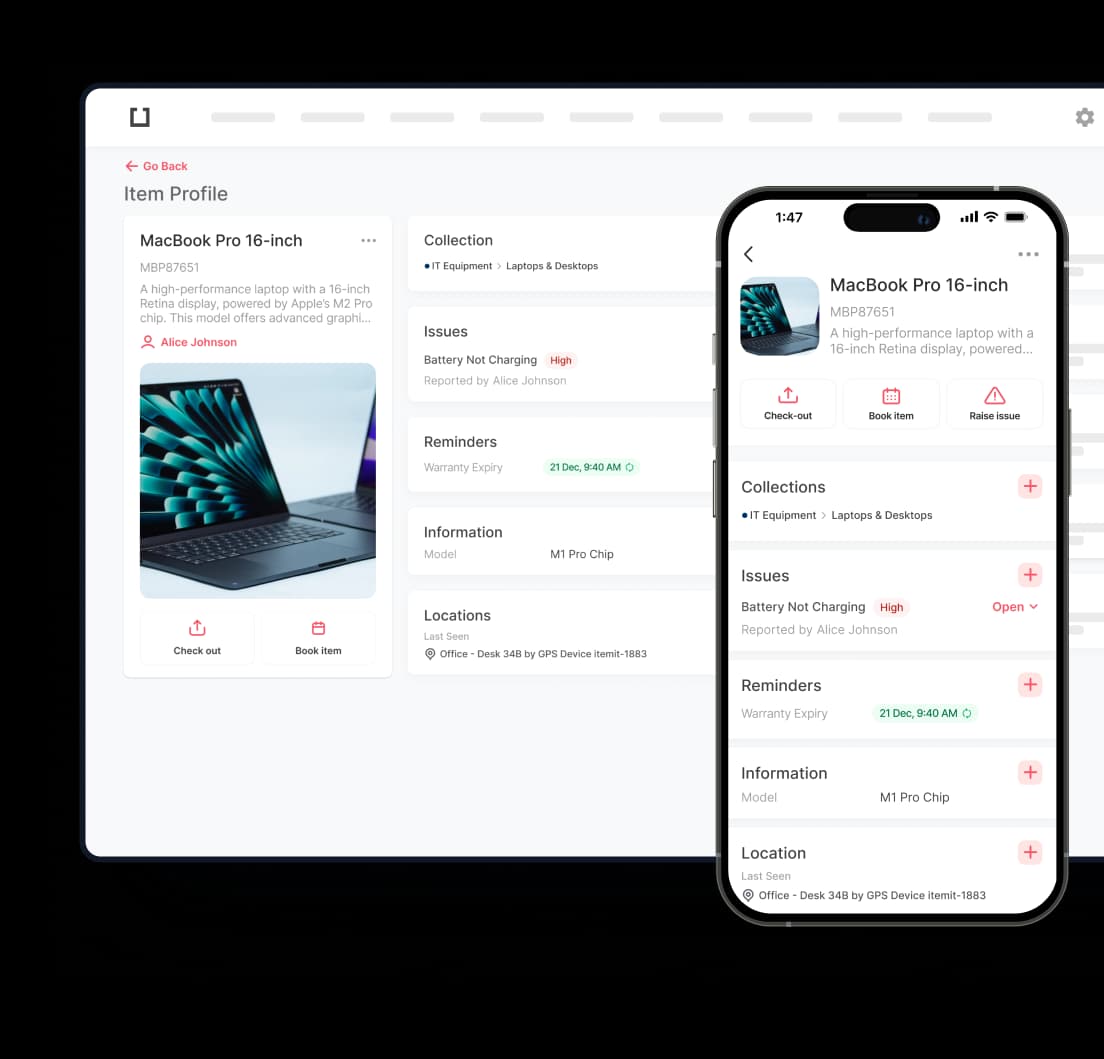
itemit’s API exposes your full fixed asset register in real time. Locations, custodians, checkout histories, maintenance schedules, condition records. Every data point an agent needs to reason over your physical world the same way it reasons over your digital one.
Connect an OpenClaw agent to itemit through MCP and it does not just answer questions about your assets. It acts on them. It spots the equipment that has been idle at Site B while Site A raises a hire request. It flags the laptop assigned to someone who left four months ago. It schedules the maintenance before the breakdown happens. It builds the audit report before anyone asks for it.

itemit’s API is live for asset tracking management. The teams already building their OpenClaw strategies have itemit as their physical asset layer, ready to plug straight in.