How to Create an Effective Inventory Report for Your Business

By itemit Team
Published on January 28, 202611 min read
Back to Blog

Let's be honest – nobody leaps out of bed excited to tackle their inventory reports. Yet these seemingly dull documents quietly power your smartest business moves behind the scenes. When you craft an inventory report with care, you suddenly see exactly what you've got on your shelves, where your money's sitting, and how to keep customers happy without your warehouse costs eating all the profits. It's like switching on the lights in a room you've been navigating in the dark.

Why Inventory Reports Matter for Your Business

Think of an inventory report as your business compass – it shows exactly where your resources stand at any given moment. This document outlines your stock quantities, conditions, values, and movements, giving you the information needed to steer operations effectively.

Most UK retailers keep about £1.35 worth of inventory for each pound of sales. That's a substantial investment sitting on shelves, which explains why proper inventory accounting matters so much.

A well-structured inventory report delivers numerous benefits:

  • Cash flow optimisation – preventing too much capital tied up in excess stock
  • Stock level management – ensuring you never disappoint customers with stockouts
  • Loss prevention – identifying shrinkage, theft, or misplaced items quickly
  • Financial accuracy – providing accountants with reliable figures for tax and reporting
  • Strategic planning – informing purchasing decisions with concrete data

Businesses that implement regular inventory checks typically experience reduced waste, improved profitability, and better overall operational control.

Essential Components of an Effective Inventory Report

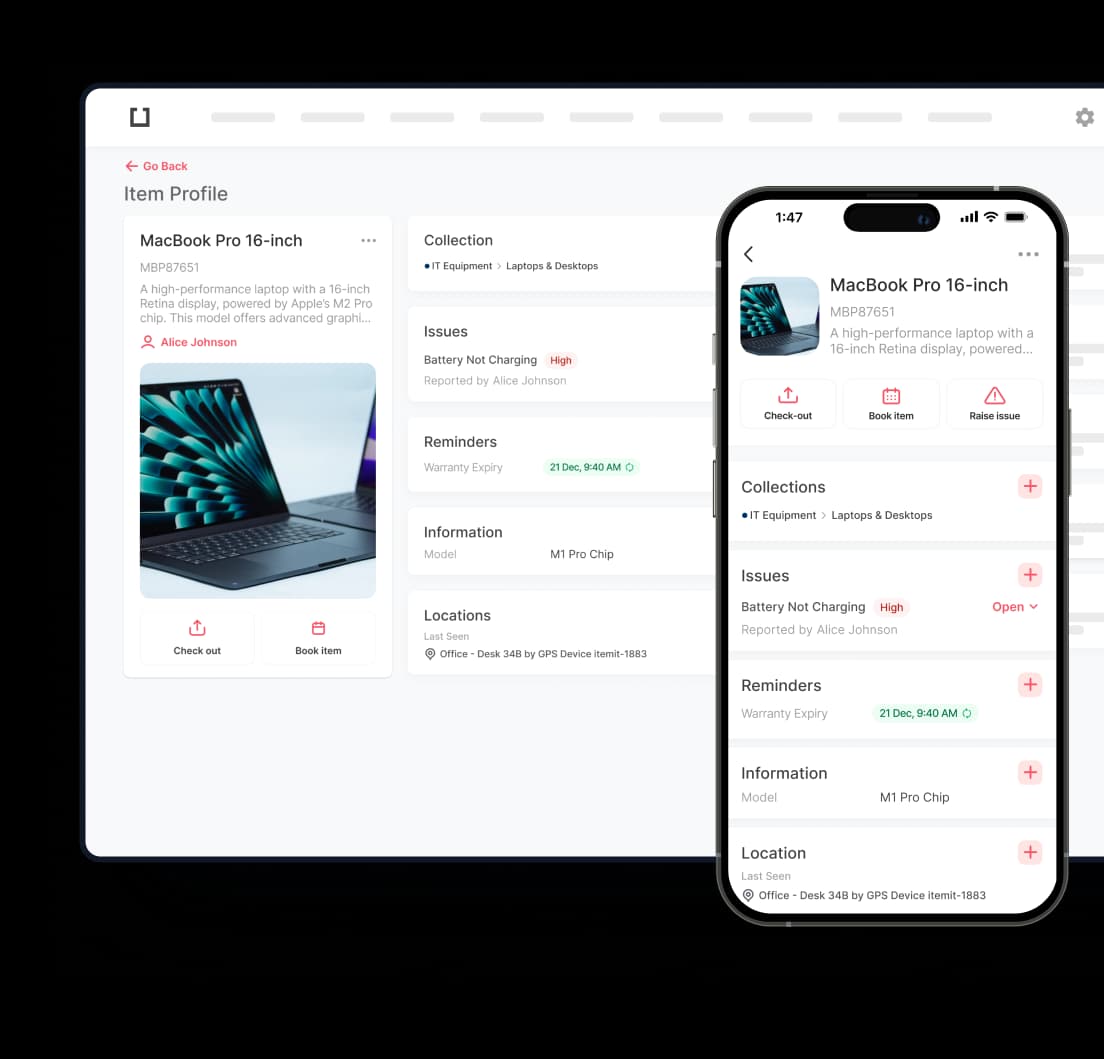
A useful inventory check report needs certain elements to provide meaningful insights. Starting with detailed item information, you'll want unique identifiers like SKUs or barcodes alongside descriptions that help anyone understand what each item actually is. Adding categories makes filtering easier, while quantity fields tell you how much you have on hand.

Financial Dimensions

The financial aspect of inventory accounting requires purchase costs and selling prices. This data helps calculate total valuation and supports proper accounting methods like FIFO or LIFO for date-sensitive goods. Your finance team will thank you for including this information when tax season arrives.

Location Tracking for Operational Efficiency

Knowing where things are stored forms another crucial part of the inventory check in reports. Recording warehouse locations, storage bins, or even which staff member has checked out equipment provides practical operational value. For businesses with multiple sites, tracking which location holds specific inventory can prevent unnecessary shipping and delivery delays.

Movement History and Context

Movement data completes the picture by showing the flow of goods. Recording when items arrive, sell, transfer between locations, or return gives you the story behind the numbers. This narrative helps identify trends and provides context for decision-making.

Every comprehensive inventory report should include these four core components:

  • Item identification and description – What exactly do you have?
  • Quantity and valuation information – How much do you have and what's it worth?
  • Location and status details – Where is everything, and what condition is it in?
  • Movement history – How are items flowing into and out of your business?

Accounting and inventory management

Step-by-Step Guide to Creating Your Inventory Report

Start with Clear Objectives

Creating a comprehensive inv report starts with knowing what you want to achieve. Consider who will use this report and what decisions they'll make based on it. A warehouse manager might need information different from that of your finance director. Will you track just current stock levels, or do you need historical comparisons? Setting clear objectives saves time and focuses your efforts.

Choose the Right Tools for Your Business

Once you know what you need, choose appropriate tools for the job. While spreadsheets might work for tiny operations, most businesses quickly outgrow them. Dedicated inventory management software offers better accuracy, efficiency, and insights. The Equipment Checkout system provides reporting features specifically designed for UK businesses, with customisable options that adapt to various needs.

The Six Stages of Effective Reporting

The process of creating an effective inventory report follows these essential stages:

  • Define your objectives – Determine exactly what you need to track and why
  • Select appropriate tools – Choose software that matches your business complexity
  • Gather accurate data – Conduct physical counts and implement consistent entry methods
  • Organise information logically – Structure data in ways that highlight important patterns
  • Analyse the findings – Look beyond numbers to understand what they reveal
  • Present results clearly – Communicate insights in accessible, actionable formats

Data Collection Best Practices

Gathering accurate data forms the foundation of reliable inventory reports. Regular physical inventory checks ensure system records match reality. Using barcode or RFID scanning reduces human error during counts. Consistent naming conventions prevent confusion, while detailed records provide context that numbers alone cannot convey.

Organising for Maximum Utility

Organising your data effectively makes it more useful and accessible. Group similar items into logical categories, use standard formats across all entries, and maintain consistent units of measurement. When tracking changes over time, use appropriate timeframes that match your business cycles.

Finding Stories in the Numbers

Analysing inventory data transforms raw numbers into actionable insights. Look for patterns in how products move, identify exceptional items that deserve attention, and calculate metrics that show performance. Comparing current figures with historical records reveals trends that might otherwise remain hidden.

Clear Communication Drives Action

Presenting findings clearly ensures your work delivers value. Focus on key information rather than overwhelming detail. Use visual elements like charts when they add clarity. Make sure reports remain accessible to everyone who needs them, whether they're viewing on a computer or need printed copies.

Key Metrics to Include in Your Inventory Report

Understanding Turnover and Efficiency

Several essential calculations provide a deeper understanding of your inventory accounting and performance. Inventory turnover rate shows how many times your stock sells and is replaced within a specific period. Calculate this by dividing the cost of goods sold by the average inventory value. Higher rates typically indicate efficient management, though appropriate rates vary by industry.

Time-Based Inventory Metrics

Days of Inventory Outstanding measures how long items typically stay in your warehouse before selling. To find this figure, divide your average inventory by the cost of goods sold, then multiply by 365. This metric helps gauge whether your stocking levels align with sales patterns.

Balance Between Stock and Sales

The stock-to-sales ratio compares inventory levels against sales volume, helping identify imbalances. When this ratio climbs too high, you might be overstocking; when it falls too low, you risk stockouts and disappointed customers.

Seven Critical Performance Indicators

Track these critical metrics in every inventory report to gain better business insights:

  • Inventory turnover rate – How quickly you sell and replace stock
  • Days of inventory outstanding – Average time items spend in storage
  • Stock-to-sales ratio – Balance between inventory levels and sales
  • Inventory accuracy percentage – How closely records match physical counts
  • Gross margin return on investment – Profit generated per pound of inventory
  • Stock availability rate – Percentage of customer orders fulfilled completely
  • Slow-moving inventory percentage – Proportion of stock at risk of obsolescence

Record Accuracy as a Trust Indicator

Inventory accuracy measures how closely your inventory check records match physical counts. High accuracy rates indicate reliable systems and processes, while discrepancies signal potential problems needing attention.

Measuring Return on Inventory Investment

Gross Margin Return on Investment shows the profit earned for each pound invested in inventory. This calculation helps identify which product lines deliver the best returns, guiding future purchasing decisions.

Effective inventory report strategies

Common Inventory Reporting Mistakes to Avoid

The Danger of Outdated Information

Even well-intentioned businesses make errors that undermine their property inventory report effectiveness. Relying on outdated information ranks among the most common mistakes. When reports don't reflect current reality, decisions suffer accordingly. itemit's Asset Tracking System addresses this problem through real-time updates and cloud-based access.

When Numbers Don't Match Reality

Ignoring discrepancies between physical counts and system records creates another blind spot. Every variance represents potential lost assets or revenue. Investigating these differences often reveals process improvements that benefit the entire operation.

Complexity vs. Clarity

Many businesses create overly complex reports that hide important information beneath excessive detail. Simplicity serves better than complexity when communicating essential insights. Focus on information that drives decisions rather than exhaustive documentation of every possible data point.

Seven Pitfalls That Undermine Reporting Value

Watch out for these common pitfalls when creating your business's inventory reports:

  • Using outdated information – Make sure data reflects current realities
  • Ignoring discrepancies – Investigate differences between records and physical counts
  • Creating overly complex reports – Focus on clarity rather than exhaustive detail
  • Failing to standardise processes – Ensure consistent methods across your organisation
  • Relying on manual methods – Leverage automation to reduce errors and save time
  • Overlooking seasonal patterns – Account for normal business cycles in your analysis
  • Neglecting actionable insights – Ensure reports lead to specific operational improvements

The Cost of Inconsistent Processes

Inconsistent processes lead to unreliable data. When different staff members follow different procedures for receiving, counting, or categorising inventory, reports become less trustworthy. Standard procedures ensure data integrity across the organisation.

Moving Beyond Manual Methods

Manual tracking methods introduce unnecessary errors and consume valuable time. Automated solutions dramatically reduce mistakes while freeing staff to focus on more valuable activities than data entry.

Advanced Inventory Reporting Strategies

Real-Time Visibility Changes Everything

Taking inventory reports beyond basic tracking opens new possibilities for business improvement. Modern systems allow continuous monitoring instead of periodic reviews, providing immediate visibility into stock levels and movements. This real-time awareness enables faster responses to emerging issues and opportunities.

Connecting the Information Ecosystem

Connecting inventory accounting with other business systems creates a more comprehensive view of operations. When inventory data flows seamlessly between sales, purchasing, and order and inventory management systems, you gain insights into how stock levels affect and respond to overall business performance.

Tailoring Information to Different Audiences

Different stakeholders need different information from inventory reports. Financial teams focus on valuation and depreciation, warehouse managers care about location and space utilisation, procurement needs performance metrics, and executives want high-level insights into capital efficiency. Tailoring reports to specific audiences increases their practical value.

Seven Strategies for Inventory Excellence

Elevate your business's inventory management with these advanced strategies:

  • Implement real-time tracking – Move beyond periodic reviews to continuous monitoring
  • Integrate with other business systems – Connect inventory data with sales, purchasing, and finance
  • Create role-specific reports – Tailor information to different stakeholders' needs
  • Utilise predictive analytics – Forecast future needs based on historical patterns
  • Adopt ABC inventory classification – Focus attention on high-value or critical items
  • Implement cycle counting – Verify different inventory sections on a rotating schedule
  • Leverage visual dashboards – Create at-a-glance views of key metrics

From Reactive to Predictive Management

Beyond reporting current status, advanced systems can forecast future needs based on historical patterns, seasonal trends, and market developments. This predictive capability helps businesses stay ahead of demand fluctuations rather than merely reacting to them.

Inventory audit process

Making the Most of itemit for Inventory Reporting

itemit offers several capabilities designed specifically for enhanced inventory reporting. Their system allows custom report generation with powerful filtering options, meaning you get exactly the information you need without wading through irrelevant data.

Real-time updates through mobile app scanning ensure your inventory figures always reflect the current reality. Cloud-based access means authorised users can check inventory status from anywhere with internet access, supporting flexible work arrangements and remote decision-making.

The system's integration capabilities connect with existing business software through a robust API, creating a unified information ecosystem. Multi-technology tagging options let you choose the identification method that works best for your specific items, whether that's barcodes, QR codes, RFID tags, or GPS trackers.

Your Business Deserves Better Inventory Insights

Creating comprehensive inventory reports gives you more than just stock counts – it provides actionable insights that drive profitability and operational excellence. The right approach transforms inventory from a static resource into a strategic advantage.

Effective reporting begins with accurate data collection and benefits enormously from purpose-built tools. While small operations might manage with basic spreadsheets initially, growing businesses quickly discover the advantages of dedicated inventory management solutions that offer greater accuracy, efficiency, and insight.

A Complete Solution for Businesses

itemit provides an all-in-one solution for tracking and reporting on business assets and inventory. With a user-friendly interface, powerful reporting capabilities, and a dedicated UK-based support team, they simplify what might otherwise become a complex process.

Your Next Step Forward

Consider trying their 14-day free trial to experience how proper inventory reporting might transform your business operations and decision-making processes.

Frequently Asked Questions

How often should I create inventory reports?

Frequency depends on your business type and stock movement speed. Fast-moving retail operations benefit from weekly or even daily reports. Businesses with slower turnover might find monthly reports sufficient. Match your reporting cycle to your decision-making needs—reports should arrive in time to inform purchasing and stocking choices.

What's the difference between periodic and perpetual inventory systems?

Periodic systems rely on physical counts at set intervals—monthly, quarterly, or yearly. Between counts, you estimate stock based on purchase and sales records. Perpetual systems update automatically with every transaction, giving you real-time visibility. Most growing businesses prefer perpetual systems for their accuracy and immediate insights.

How do I improve inventory accuracy when records don't match physical counts?

Start by investigating every discrepancy rather than simply adjusting figures. Common causes include receiving errors, unrecorded damages, theft, or inconsistent counting methods. Implementing barcode or RFID scanning reduces human error significantly. Cycle counting—verifying different inventory sections on rotation—catches problems before they compound.

Can spreadsheets handle my inventory reporting needs?

Spreadsheets work for very small operations with limited stock varieties. However, most businesses quickly outgrow them as manual entry introduces errors and updating becomes time-consuming. Dedicated inventory software offers real-time accuracy, automated calculations, and reporting features that spreadsheets cannot match efficiently.

What is a good inventory turnover rate?

Healthy turnover rates vary dramatically by industry. Grocery retailers might turn stock 14-20 times yearly, while furniture shops average 4-6 turns. Compare your rate against industry benchmarks rather than generic targets. Extremely high turnover might indicate understocking risks, while very low rates suggest capital tied up in slow-moving goods.

Who in my organisation should have access to inventory reports?

Different teams need different information. Warehouse managers require location and quantity details for daily operations. Finance teams focus on valuation figures for accounting and tax purposes. Procurement staff need movement trends to inform purchasing decisions. Executives benefit from high-level dashboards showing capital efficiency and turnover metrics.

Choose a better way to track your assets.

Start your trial. 14 days. No risk. No credit card.

itemit Asset Tracking Assets

Don't just track it. itemit.

Start your trial. 14 days. No risk. No credit card.

Assets tracked using itemit