Your business growth depends on knowing exactly what you have and where it is. A smart inventory control system matches your stock perfectly with customer needs, saving you from those "sorry, we're out" conversations and dusty overstock gathering in corners. From corner shops to huge warehouses, good system inventory control can flip your profit margins and make daily operations smoother.
Ever tried managing a growing inventory with Excel? Yikes. Those manual methods just can't keep up when you're expanding. More products, multiple stores, complex ordering—the headaches multiply fast.
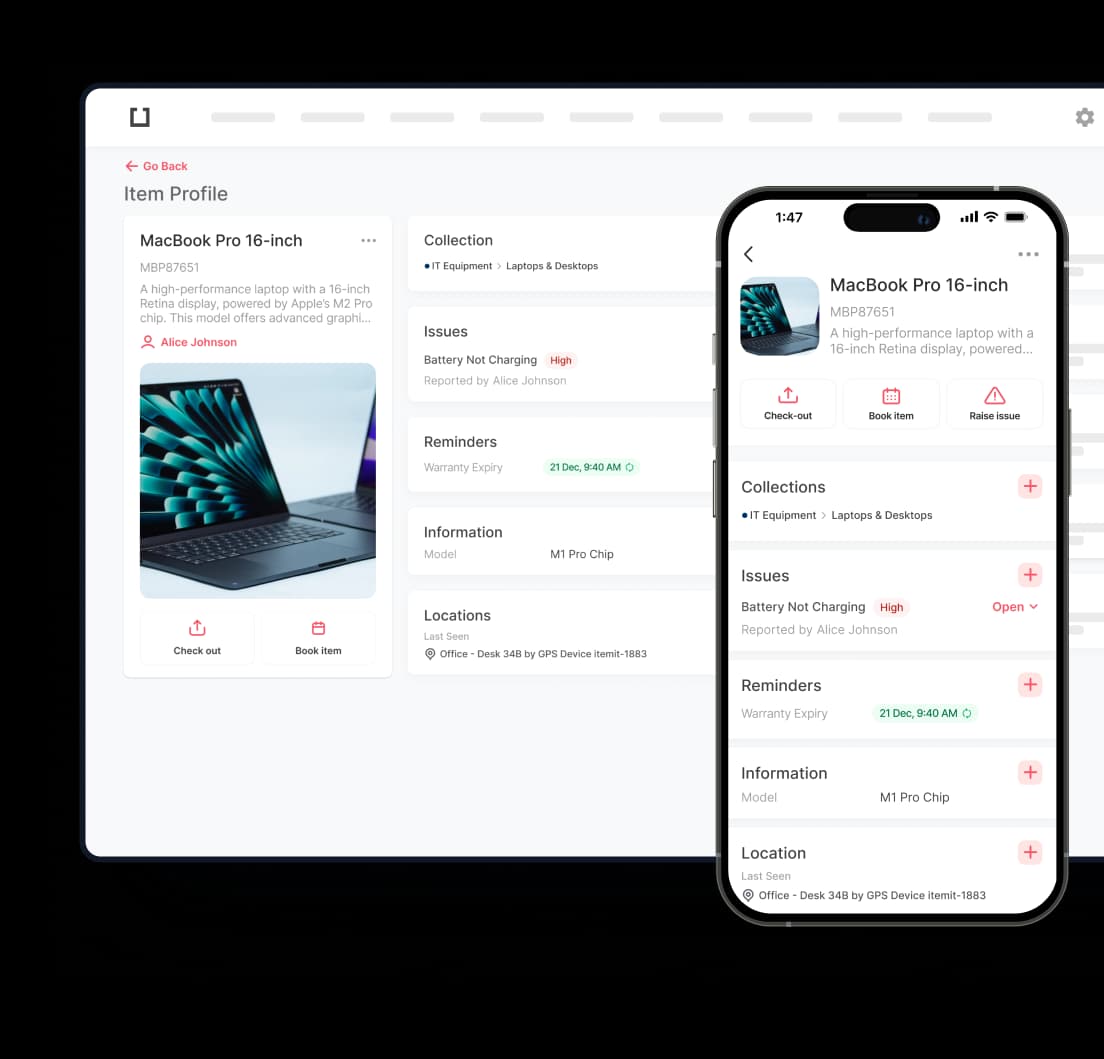
That's why we're showing you how the itemit asset tracking solution turns inventory chaos into your competitive edge. The right inventory control tools don't just cut costs—they create breathing room for your business to thrive when markets get tough.

Understanding Inventory Control Systems
What is an Inventory Control System?
An inventory control system is a technological platform that monitors and manages a company's goods throughout the supply chain. It combines purchasing, shipping, receiving, warehousing, and returns processes within a unified framework. Effective inventory control systems automate numerous manual tasks, offering precise visibility into current inventory, its whereabouts, and when to replenish stock to maintain ideal levels.
The core objective of inventory control is striking that crucial balance—having sufficient stock to satisfy customer needs without needlessly immobilising capital in surplus inventory. This equilibrium directly affects operational success and financial performance.
Inventory Control vs. Inventory Management
Though frequently used interchangeably, inventory control and inventory management serve different functions:
Inventory control focuses on handling existing warehouse stock and maintaining optimal current inventory levels. Inventory management, meanwhile, takes a broader perspective, overseeing the complete movement of goods across entire supply chains.
Put simply, inventory control operates as one component within the larger inventory management framework, specifically concentrating on optimising existing stock levels, determining reorder points, implementing efficient tracking methods, and deploying targeted techniques to boost efficiency.
Types of Inventory Control Systems
Businesses typically utilise two main types of inventory control systems:
1. Perpetual Inventory System
This approach delivers up-to-the-minute insights on inventory status. Records update automatically whenever items arrive, sell, or move, guaranteeing precise tracking across operations. Each product scan at checkout or warehouse reception instantly refreshes global inventory tallies.
2. Periodic Inventory System
This method relies on physical inventory counts performed at designated intervals—monthly, quarterly, or yearly. Between counts, businesses estimate inventory based on purchases and sales records. This system typically suits smaller operations with limited inventory complexity.
The choice between systems hinges on business scale, inventory complexity, and available resources. Most expanding businesses benefit from perpetual systems due to their precision and real-time capabilities.

Essential Features of Modern Inventory Control Systems
Effective stock and inventory management requires several key features in modern inventory control systems:
Real-time Tracking and Monitoring
Advanced inventory control platforms enable live inventory tracking, offering multiple advantages:
- Instant visibility into current inventory status across locations
- Immediate alerts when stock reaches minimum thresholds
- Quick identification of misplaced or lost inventory
- Ability to make informed decisions based on current data
- Rapid response to unexpected demand fluctuations
Barcode and RFID Technology Integration
Barcode systems stand as a fundamental feature for effective inventory control. These technologies help businesses gather, store, and organise data swiftly with greater accuracy than traditional manual entry methods.
RFID (Radio-Frequency Identification) takes tracking further by enabling automatic updates without requiring direct scanning. This proves especially useful for businesses monitoring large inventory volumes or managing assets across multiple sites.
Both technologies substantially reduce human error while accelerating processes like receiving, picking, and shipping operations.
Inventory Control Chart Functionality
An inventory control chart serves as a visual instrument helping businesses monitor stock levels over time and make smart decisions about ordering and stocking.
Key components of an inventory control chart include:
- Maximum stock level - The upper inventory threshold based on storage capacity and capital constraints
- Minimum stock level - The lowest safe inventory threshold to maintain operations
- Reorder point - The stock level that triggers a new purchase order
- Safety stock - Buffer inventory maintained to prevent stockouts due to unexpected events
- Lead time - The Period between placing an order and receiving goods
- Order quantity - The standard amount ordered in each purchase cycle
These visual representations help businesses understand inventory patterns, avoid costly over-purchasing or dangerous understocking situations, and optimise cash flow through better inventory planning.
By analysing their inventory control charts, companies identify ideal order quantities and precise reorder timing, reducing average inventory investment while preventing stockouts. This data-driven approach significantly reduces expenses related to storage, insurance, handling, and product obsolescence.
Stock Control Diagram Visualisation
A stock control diagram graphically represents inventory flow, transforming complex data into actionable insights. These diagrams highlight critical metrics and help managers quickly spot trends, patterns, and potential problems in inventory movement.
Automation and Workflow Management
Contemporary inventory control systems automate routine tasks that would otherwise require manual intervention, reducing errors and ensuring consistency in inventory processes.
Customisable Reporting and Analytics
Effective systems generate detailed reports that drive smarter decision-making, supporting operations, planning, trend analysis, and faster decision processes.
Integration Capabilities
Strong inventory control systems connect inventory information with other business systems, ensuring all departments access the same information source and facilitating better collaboration.
The Benefits of Implementing an Effective Inventory Control System
Enhanced Operational Efficiency
Advanced inventory control systems boost warehouse efficiency through:
- Directed picking and putaway - Optimise movement paths and storage locations
- Automated reordering - Eliminate manual purchase order creation
- Barcode/RFID scanning - Speed up item identification and processing
- System integration - Connect inventory data with other business platforms
- Workflow automation - Reduce manual intervention in routine processes
These improvements lead to faster order processing, lower labour costs, and increased capacity without proportionally higher expenses.
Cost Reduction and Improved Stock Management
Companies implementing advanced inventory systems report up to 30% reduction in carrying costs, 25% productivity increases, and 20% faster order fulfilment.
Financial savings rank among the biggest inventory control benefits, as they streamline ordering processes and maintain a minimal inventory without compromising customer experience.

Better Customer Satisfaction Through Availability
A primary function of inventory control systems is maintaining optimal stock levels to satisfy consumer demand without unnecessary expenses. For smooth operations, products must be available when customers want them.
Consistently meeting product availability expectations builds customer loyalty and enhances reputation.
Data-Driven Decision Making
Access to precise, real-time inventory data enables swift strategic decisions about purchasing, pricing, marketing strategies, and resource allocation.
Why Inventory Control is Important for Sustainable Growth
Effective inventory control delivers multiple benefits essential for business growth:
Financial Benefits:
- Reduced capital tied up in excess inventory
- Lower warehousing and storage costs
- Decreased risk of inventory obsolescence and write-offs
- Improved cash flow and working capital availability
Operational Benefits:
- Streamlined fulfilment and shipping processes
- Reduced manual counting and tracking time
- Fewer stockouts and lost sales opportunities
- More efficient use of warehouse space
Strategic Benefits:
- Data-driven purchasing and forecasting decisions
- Better supplier negotiations based on actual usage data
- Improved customer satisfaction through product availability
- Enhanced ability to adapt to market changes
Without proper control systems, growing businesses face inefficiencies, errors, and growth limitations.
Improved Retail Inventory Control Processes
Retail inventory control systems provide accuracy through real-time stock monitoring and immediate identification of damaged items. Retailers can spot bestselling products, track customer preferences, and forecast purchasing needs, strengthening vendor relationships and lowering purchase costs.