Investing in a fixed asset register is surely going to save your business a lot of time and money. You should, however, acknowledge the fact that this is not a one-off engagement that will continue to reap benefits on its own after you’ve purchased fixed asset management software.
In a nutshell, you are recommended to engage your fixed asset register frequently and keep it updated with the latest and the slightest changes in your assets. As it goes, the more frequently an asset register is used, the better it performs. This might sound a bit vague to you. Continue reading for a quick guide on how to use a fixed asset register.

Which Assets Should I Log on a Fixed Asset Register?
As the name suggests, a fixed asset register is for fixed assets. But not everyone is aware of what fixed assets are, or how to differentiate between a fixed asset and a current or temporary asset.
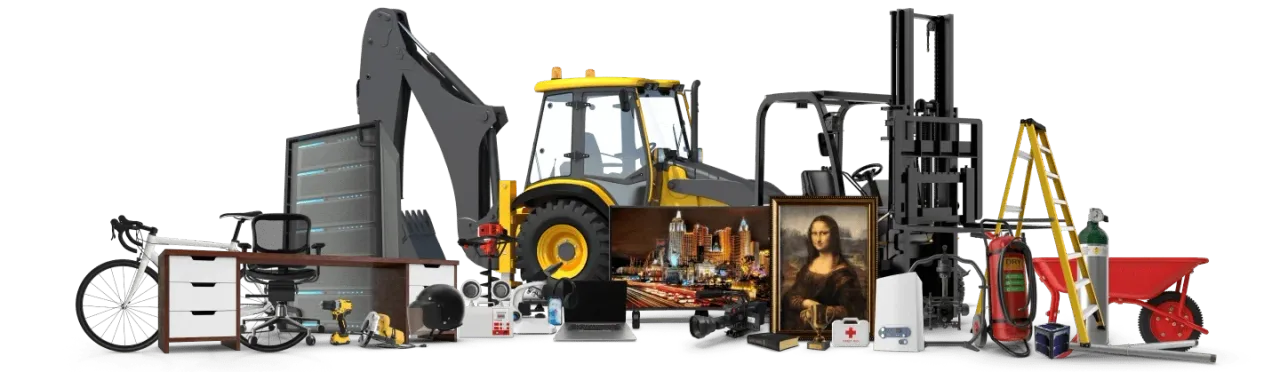
Fixed assets are usually physical objects that cannot be readily converted into cash. An easy way to define a fixed asset is anything that you purchase with the intention of using it for more than one year. They’re meant for long-term use. Some examples are furniture, hardware, machinery, vehicles, buildings and land.
Another way to determine which assets to track on a fixed asset register is to include anything you own that you want to log for depreciation.
 Watch video
What Details Should I Track on a Fixed Asset Register?
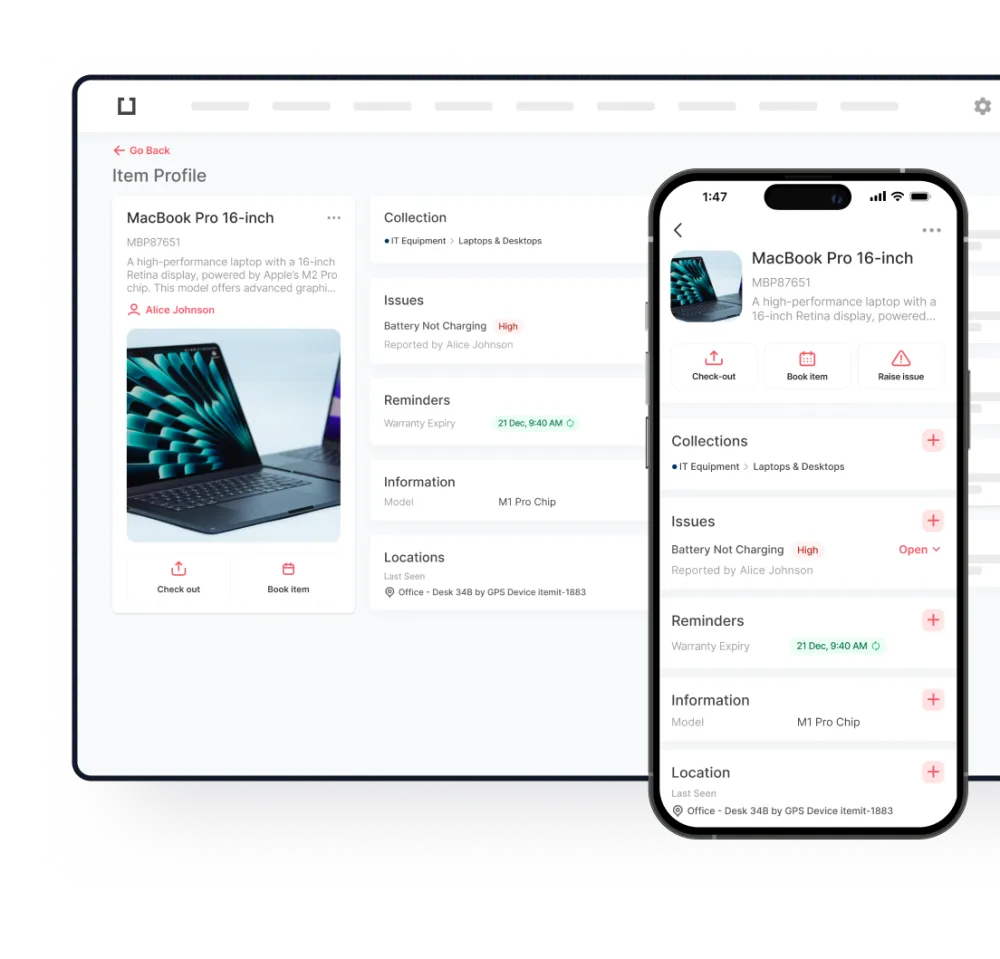
To make the most out of fixed asset management, it’s imperative to track essential details for each of your assets. Here are some of the asset details that you should typically track:
- A unique identification number in case you’re not using asset tags
- Asset name
- Department
- Description
- Purchase and capitalisation dates
- Purchase cost
- Warranty details
- Residual value and asset life
- Depreciation details
Please note that even though this list seems quite meticulous, these are only the generalised details you’d want to track for every fixed asset. Although it’s not compulsory to have all this information at hand to be recorded in the register, it’s much easier with an easy-to-use software rather than using a spreadsheet.
This list, of course, doesn’t apply to every fixed asset. Some details may not apply to some assets, and others may have extra information that you’d want to add to their asset profile.