Knowing the difference between fixed assets vs current assets can significantly impact your financial decisions and the overall health of your business. Why? Because understanding the difference helps you make informed choices, maintain a solid financial footing, and optimise how resources are allocated. Let’s dive into each type to explore how they shape a business's financial strategy in detail.
Fixed Assets vs. Current Assets: A Brief Overview
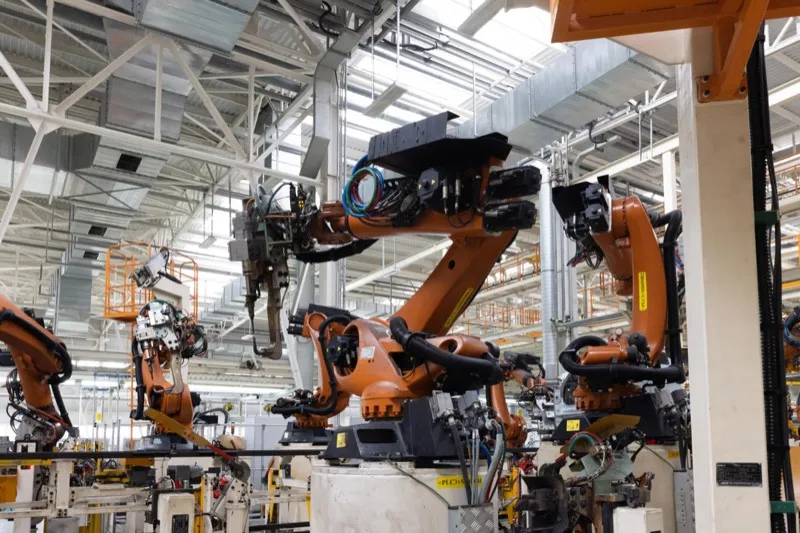
Buildings, machinery, and vehicles - the long-term resources that a business owns and employs in daily operations are known as fixed assets. Usually, these assets are not turned into cash within a year. Instead, they are supposed to help the business over time. They enable continuous development and help create the fundamental infrastructure needed for companies to perform efficiently.
Conversely, current assets are transient and should be used up or turned into cash within one business cycle - typically a year. Examples comprise accounts receivable, cash, and inventory. Meeting urgent demands and responsibilities requires current assets, which also provide the liquidity required to maintain daily corporate operations free from hiccups.
Although fixed vs current assets may have different purposes in corporate operations, they complement one another to offer stability and liquidity - qualities necessary for running a profitable firm. While current assets maintain cash flow, fixed assets offer the means of operation.
What Is a Fixed Asset?
Any long-term asset a business intends to employ for operations for more than a year is known as a fixed asset. These comprise physical resources, including machinery, buildings, cars, and tools. Products, services, and sustaining overall corporate operations all depend on fixed assets. Unlike current assets, they are not simply convertible to cash.
Fixed assets, usually having a functional life longer than one year, demand a large financial outlay. Their long-term character makes them vital for a company's development since they enable it to create products, increase capacity, or offer constant services.
One main feature of fixed assets is depreciation. Depreciation lets you distribute the cost of worn-down or obsolete assets throughout their useful life, presenting a better view of the financial situation. Depreciation guarantees more reasonable financial planning by helping to distribute the expense across time, smoothing out profit projections. Depreciation also influences your future asset replacement budget so as to guarantee no financial surprises. Including depreciation helps companies more precisely estimate their continuous costs and make necessary changes.
Among the several kinds of fixed assets are physical objects, including offices, machinery, buildings, and cars. Every one of these has a certain lifetime and undergoes depreciation throughout that period, therefore balancing the company's books. These physical resources help the business achieve its strategic goals by formulating effective delivery of goods and services.
What Is a Current Asset?
Unlike fixed assets, current assets are transient by nature. They are items anticipated to be consumed or turned in for money within a year. Because they offer liquidity - that is, the capacity to pay off current liabilities (wages, supplier invoices, and other short-term debts) - current assets are absolutely essential for daily business operations.
Cash, inventory, accounts receivable, and marketable securities are typical examples of current assets. These easily convertible assets enable the organisation to satisfy its immediate financial needs and maintain commercial operations free from disruptions. They directly help a company be operationally efficient and liquid.
Cash, for example, is the most liquid asset a business may use immediately for various needs. Money owed by customers for goods or services delivered is shown in accounts receivable, and it is expected to be recovered quickly. Marketable securities are short-term investments that can rapidly be transformed into cash, and inventory is raw materials or completed goods ready for sale.
“Is equipment a current asset?” you might wonder. Often, the response is no. Long-term operations need for equipment designated as a fixed asset. But if the equipment is meant for sale in line with business operations, it could be seen as part of the inventory and, hence, as a current asset.
Current assets vs. fixed assets differ mostly in their liquidity and application inside the company. While permanent assets enable long-term output and stability, current assets maintain active cash flow and provide quick funds to cover running costs.
Examples of Current Assets
To make things a bit clearer, some common current assets and their roles in business operations would include:
- Cash: The most liquid type of asset, ready for immediate use in business activities.
- Accounts Receivable: Money owed to the company by clients, usually within a very short period of time. It ensures continuity of cash inflow.
- Inventory: Goods or materials that a company owns for sale. Inventory facilitates sales and revenue generation.
- Marketable Securities: Short-term investment that is readily convertible into cash and thus may serve as a flexible supplemental source of liquidity when required.
In turn, the very existence of current assets ensures that the enterprise will, at any moment in time, be capable of satisfying its current liabilities without interruptions, a buffer shielding the normal process of running a business from any disturbances.
Current vs Non-current Assets
Current assets are those that exist and can be turned into cash or used within one year. These represent the essential requirements that meet the short-term financing, liquidity assurance, and the maintenance of operational flow. The non-current assets, by contrast, are held longer and include items such as software, property and equipment, buildings, furniture, and vehicles. The non-current assets should provide lasting value to the company and help it grow and sustain its business activities in the long term. Knowing the difference enables companies to balance short-term needs with the strategies of long-term growth.
Examples of Fixed Assets
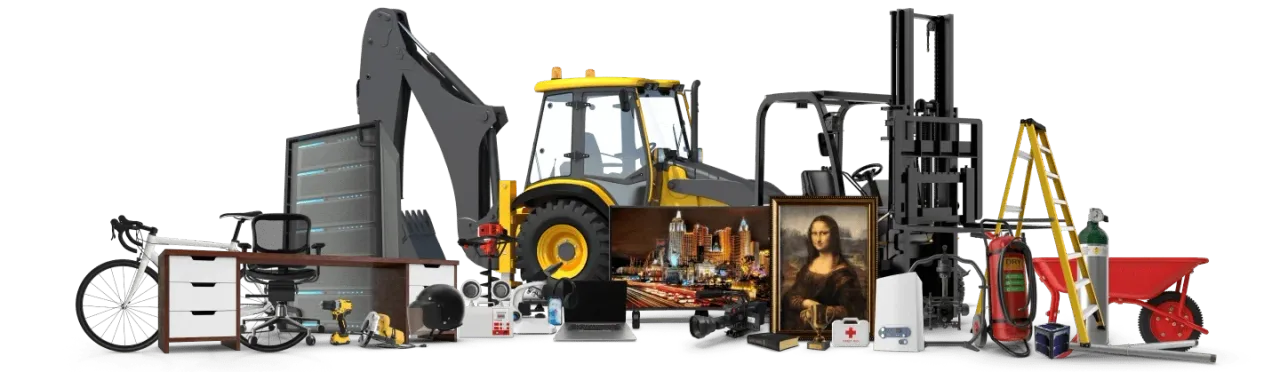
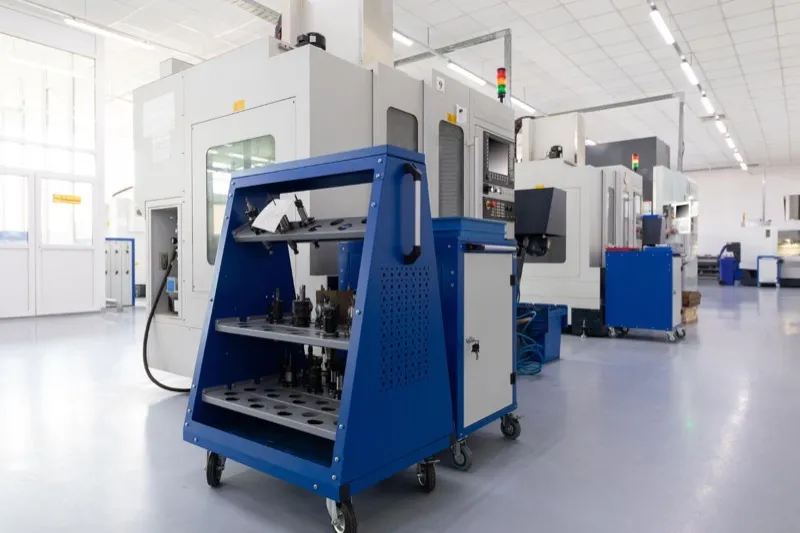
Fixed assets comprise the backbone of any business; they provide the infrastructural platform on which the operations are found to run smoothly. Some common examples of fixed assets and their impact could be elaborated upon by:
- Buildings: These are fixed assets employed for office purposes, manufacturing, or storage. Depreciation spreads the cost of the building over its useful life so that an accurate and true financial picture is reflected. Buildings provide a stable location for business activities; therefore, they relate to both operational stability and the presence of a brand.
- Machinery: It is integral to the manufacturing process and, therefore, forms one of the biggest asset bases for production-oriented businesses. With time, machinery depreciates, affecting production costs, which in turn affects financial planning. Proper machinery depreciation enables us to verify the cost of production and create a replacement prospectus for the future.
- Vehicles: These are seen as fixed assets, whether for deliveries or transportation of employees. They lose their value over time, but logistics and operations cannot be performed without them. They help a company continue its supply chain and customer service.
- Furniture: Office desks, chairs, and other fixtures are fixed assets that provide service over a pretty long period. Though depreciable, they are indispensable to establishing a work environment conducive to increasing employees' productivity.
These are depreciable assets over time since their book value is gradually used to help a company arrive at its level of profitability. Types of fixed assets include machinery and vehicles that are well managed to ensure better financial management and compliance and long-term operational efficiency.