Best Practices of Equipment Scheduling 2025 Guide

By Joe Smith
Published on February 20, 202611 min read
Back to Blog
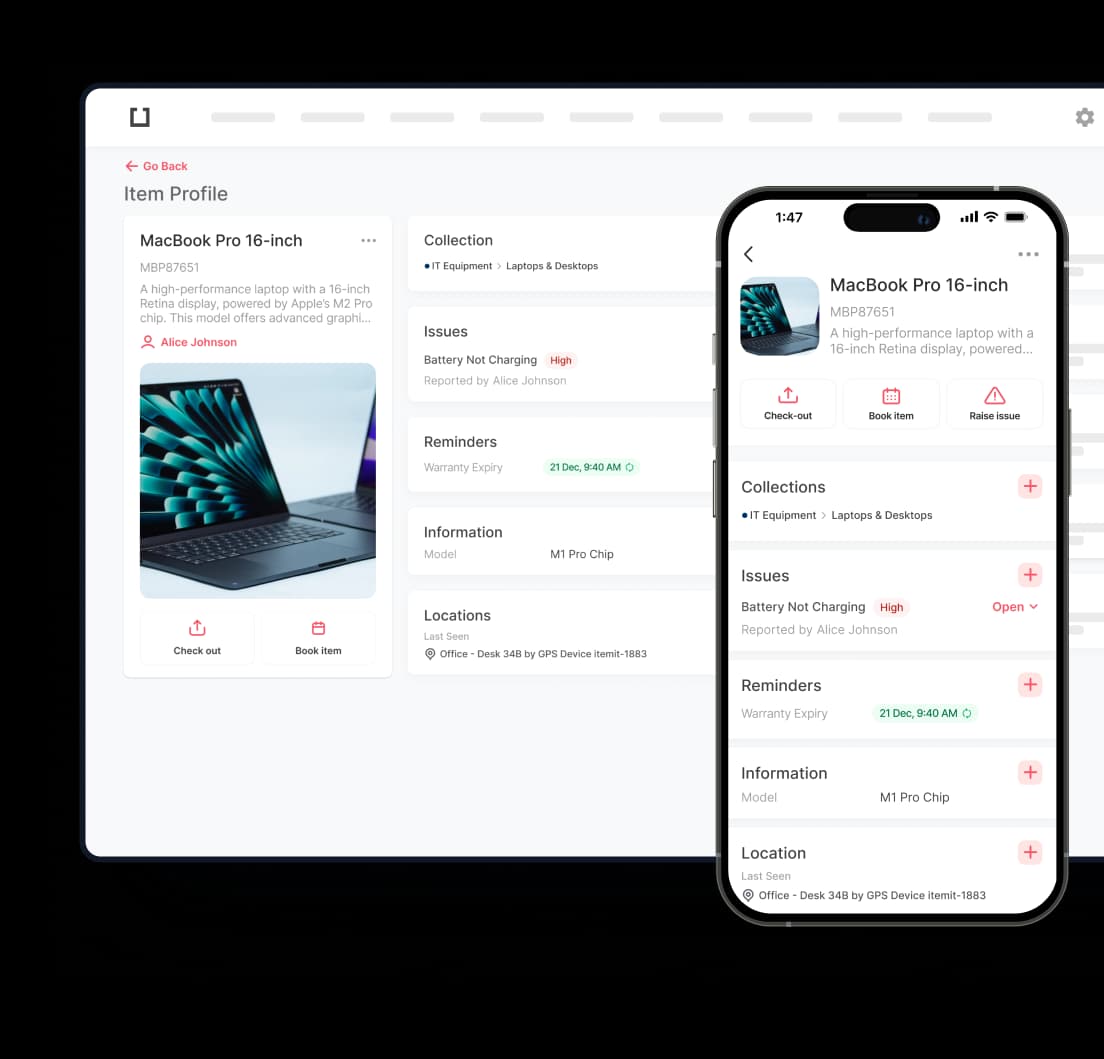
Dashboard view of equipment scheduling software in use

Reliable access to essential tools and machinery serves as the backbone of operational success across countless industries. Behind every smoothly executed construction project, manufacturing process, or event production lies a carefully orchestrated equipment scheduling system that ensures the right resources reach the right teams at precisely the right moment.

From small creative studios to massive industrial complexes, how organisations manage their equipment directly impacts project timelines, budget constraints, and team morale. The difference between streamlined operations and costly delays hinges on the effectiveness of your equipment scheduling approach.

Understanding Equipment Scheduling

Definition and Importance

Resource coordination involves strategically allocating machinery, tools, vehicles, and other physical assets across different teams, projects, and timeframes. Far beyond simple resource allocation, effective scheduling creates a synchronised workflow where teams gain access to essential equipment exactly when needed. Assets should neither sit idle nor cause bottlenecks in your operations.

This organisation directly influences project execution speeds, delivery reliability, and, ultimately, client satisfaction. Teams with robust scheduling frameworks consistently outperform competitors by maximising asset utilisation without overextending resources.

Challenges in Equipment Scheduling

Even experienced operations managers regularly encounter hurdles when coordinating equipment usage:

  • Resource conflicts when multiple teams require the same equipment simultaneously
  • Unexpected breakdowns disrupting carefully planned schedules
  • Limited visibility across departments, leading to double-bookings
  • Difficulty tracking equipment location and maintenance status
  • Last-minute project changes requiring rapid schedule adjustments

These complications frequently cascade into delayed project completion, escalating costs, and frustrated team members. Without proper asset coordination, even well-resourced organisations can experience productivity losses as technicians waste valuable time hunting down machinery or waiting for essential tools to become available.

Benefits of Effective Equipment Scheduling

Optimised Resource Utilisation

Properly implemented equipment scheduling software dramatically increases the productive hours each asset delivers. By visualising usage patterns and identifying idle periods, managers can slot in additional work that maximises each machine's operating capacity without creating conflicts.

This heightened utilisation translates directly to project acceleration. When teams confidently know when equipment becomes available, they can plan complementary tasks accordingly, maintaining workflow momentum without interruption.

Cost Reduction

Strategic scheduling delivers substantial financial benefits beyond initial expectations. These systems help organisations:

  • Decrease emergency rental fees by anticipating equipment needs
  • Reduce overtime expenses by preventing last-minute scrambles
  • Lower maintenance costs through planned, preventative servicing
  • Minimise unnecessary duplicate equipment purchases
  • Optimise fuel consumption and transportation costs

These tangible advantages illustrate the substantial benefits of equipment scheduling when implemented systematically across operations. These savings accumulate significantly over time. Companies consistently report 15-30% reductions in equipment-related expenses after implementing structured scheduling protocols.

Enhanced Productivity

Access to the right equipment at the right time keeps talent focused on value-adding activities rather than administrative coordination. When technicians and specialists confidently know their required tools will be available, they can concentrate on execution rather than contingency planning.

This reliability creates a positive feedback loop: predictable equipment access leads to more accurate time estimates, which improves project planning, ultimately resulting in more consistently met deadlines.

Improved Maintenance Planning

Integrating equipment maintenance scheduling into your overall resource management prevents the all-too-common scenario of equipment failing at critical moments. By alternating equipment use and scheduling maintenance during natural downtime, organisations simultaneously extend asset lifespan and reduce the risk of unexpected breakdowns.

Proactive maintenance coordination also enables teams to perform comprehensive servicing rather than quick fixes, addressing potential issues before they develop into major problems requiring costly repairs or replacements.

Key Elements of an Effective Equipment Scheduling System

Centralised Scheduling Platform

A robust equipment scheduling system serves as the single source of truth for all resource allocation decisions. This centralised approach eliminates the confusion of spreadsheets scattered across departments or conflicting email chains.

Essential elements of effective centralised platforms include:

  • Comprehensive equipment inventory with detailed specifications
  • Real-time availability status updates
  • Reservation capabilities with conflict alerts
  • Historical usage tracking
  • Maintenance schedule integration
  • User permission levels for different team roles

The transparency created by these systems prevents the frustration of discovering that someone else has already booked essential equipment just as your team needs it.

Real-Time Tracking and Updates

The dynamic nature of most workplaces demands equipment scheduling solutions that reflect current reality, not yesterday's plan. Real-time tracking capabilities allow managers to:

  • Verify actual equipment location versus scheduled location
  • Receive instant notifications when equipment becomes available early
  • Update all stakeholders when delays occur
  • Identify and resolve conflicts before they impact operations
  • Make data-driven decisions about equipment allocation priorities

This immediacy proves particularly valuable when handling high-demand resources where even small scheduling improvements yield significant operational benefits.

Clear Communication Channels

Even the most sophisticated equipment scheduling tool cannot replace thoughtful communication protocols. Successful organisations establish clear guidelines for:

  • How far in advance equipment requests must be submitted
  • Who possesses the authority to approve or modify bookings
  • Escalation procedures for urgent requests
  • Notification systems for schedule changes
  • Feedback mechanisms for improving the scheduling process

These communication frameworks ensure all team members understand both how to access equipment and their responsibilities when using shared resources.

Flexible and Scalable Scheduling

Rigid scheduling systems quickly become obstacles rather than assets. An effective equipment scheduling calendar accommodates changing priorities through:

  • Priority levels for different project types
  • Quick rescheduling capabilities
  • Equipment substitution options
  • Emergency override protocols
  • Capacity to add temporary or new equipment

This flexibility becomes particularly important during busy seasons or when unexpected opportunities arise requiring rapid resource reallocation.

Implementing Equipment Scheduling Software

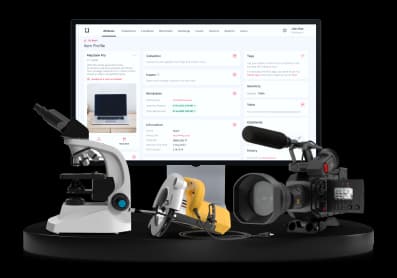
Efficient maintenance plan for rented tools and machinery

Evaluating Software Options

The market offers numerous equipment rental scheduling software solutions, each with distinct strengths. When evaluating options, prioritise:

  • User interface simplicity, ensuring even occasional users can navigate it easily
  • Mobile accessibility for field teams
  • Integration capabilities with existing management systems
  • Customisation options for your specific equipment types
  • Scalability to accommodate organisational growth
  • Reporting features for utilisation analysis
  • Support and training resources

The right software matches both your current needs and anticipated future requirements without overwhelming users with unnecessary complexity.

Integration with Existing Systems

Standalone scheduling tools rarely deliver maximum value. True efficiency emerges when your equipment scheduling software connects seamlessly with:

  • Project management platforms
  • Maintenance management systems
  • Inventory tracking software
  • Time-tracking applications
  • Financial systems for cost allocation
  • Client billing software

These integrations eliminate duplicate data entry and provide comprehensive operational visibility that isolated systems cannot deliver. Effective resource scheduling becomes much more achievable when your systems work together seamlessly.

Training and Support

Even the most intuitive equipment scheduling app requires proper introduction and ongoing support. Successful implementation includes:

  • Initial training tailored to different user roles
  • Written guidelines and video tutorials
  • Designated super-users to assist colleagues
  • Regular refresher sessions highlighting advanced features
  • Clear procedures for reporting issues or suggesting improvements

Investing in proper training dramatically accelerates adoption rates and ensures the organisation captures the full potential value of the scheduling system.
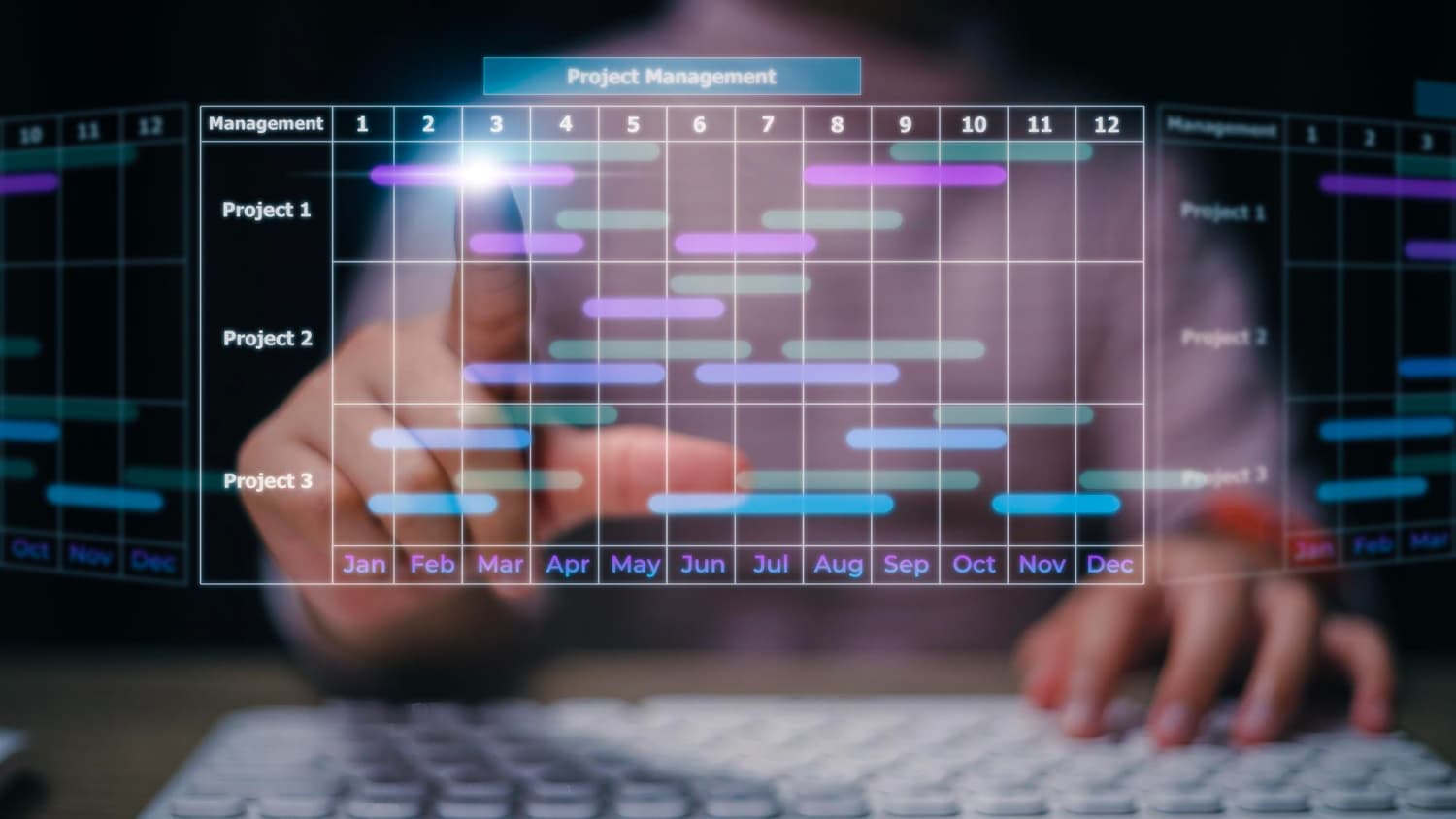
Best Practices for Equipment Scheduling

Establish Clear Scheduling Policies

Documented policies prevent confusion and conflict by establishing expectations before scheduling disputes arise. Effective organisations develop clear guidelines covering:

  • Booking requirements for different equipment categories
  • Cancellation and modification procedures
  • Equipment prioritisation during peak demand
  • Responsibility for equipment preparation and return
  • Consequences for policy violations
  • Special circumstances exceptions

These policies should balance flexibility with fairness, ensuring critical projects receive necessary resources while preventing any single team from monopolising equipment.

Regularly Review and Update Schedules

Static schedules quickly become irrelevant in dynamic work environments. Implementing best practices of equipment scheduling requires regular schedule reviews to:

  • Accommodate emerging priorities
  • Reallocate resources when projects finish early
  • Adjust for equipment maintenance requirements
  • Incorporate newly acquired equipment
  • Respond to client timeline changes

Many successful teams implement brief daily equipment allocation reviews alongside weekly comprehensive schedule assessments to maintain scheduling accuracy.

Monitor and Analyse Equipment Utilisation

Data-driven scheduling decisions consistently outperform intuition-based approaches. Leveraging your equipment scheduling software to analyse usage patterns reveals:

  • Which equipment items consistently face booking conflicts
  • Underutilised resources that could be repurposed
  • Time periods with peak demand pressures
  • Departments or projects with disproportionate equipment needs
  • Opportunities to stagger work schedules to maximise equipment availability

These insights enable organisations to optimise their equipment investment, investing in additional units where genuine constraints exist while avoiding unnecessary purchases.

Prioritise Preventive Maintenance

Strategic equipment maintenance scheduling protects both your assets and your productivity. Best practices include:

  • Implementing best maintenance scheduling for rental equipment to minimise disruption
  • Building maintenance buffers into asset availability calendars
  • Rotating similar machinery to distribute wear evenly
  • Documenting service history within the resource management system
  • Adjusting maintenance intervals based on actual usage intensity

This preventative approach significantly reduces the far more disruptive impact of emergency repairs during critical project phases.

Foster Collaboration and Feedback

The most effective scheduling systems continuously improve through structured feedback channels. Encourage teams to:

  • Report scheduling inefficiencies they encounter
  • Suggest process improvements based on field experience
  • Highlight recurring equipment conflicts for resolution
  • Share creative scheduling solutions from their departments
  • Participate in periodic scheduling process reviews

This collaborative approach transforms scheduling from a top-down administrative function into a shared responsibility that benefits from diverse operational perspectives.

Tools and Technologies for Modern Equipment Scheduling

Equipment Scheduling Apps and Tools

Today's market offers specialised equipment scheduling app options ranging from straightforward calendar interfaces to sophisticated enterprise platforms. Key differentiating features include:

  • QR code or RFID scanning for check-in/check-out procedures
  • GPS tracking for mobile equipment location
  • Predictive analytics for maintenance planning
  • Automated conflict resolution suggestions
  • Equipment specification and photo libraries
  • Customisable booking request forms

The proper tool balances comprehensive functionality with ease of use, encouraging consistent adoption across all team members.

Mobile Accessibility

Field teams require equipment information where they work, not just at office terminals. Modern equipment scheduling tool solutions offer mobile capabilities, including:

  • Equipment reservation from job sites
  • Status updates while in the field
  • Photo documentation of equipment condition
  • Push notifications for schedule changes
  • Quick rebooking when projects finish early
  • Digital signatures for equipment transfers

This mobility eliminates communication delays and empowers teams to make real-time adjustments as circumstances change.

Leveraging Data Analytics

Advanced equipment scheduling software transforms accumulated usage data into actionable insights through:

  • Heat maps showing peak usage times
  • Predictive models forecasting future equipment needs
  • Utilisation comparisons across departments or projects
  • Maintenance optimisation recommendations
  • Cost allocation analysis by project or client
  • Equipment lifecycle performance tracking

These analytics help organisations evolve from reactive scheduling to proactive resource planning, anticipating needs before they become constraints.

Overcoming Common Equipment Scheduling Challenges

Integrated system coordinating equipment use across teams

Dealing with Equipment Conflicts

Even with sophisticated systems, competing priorities inevitably create scheduling conflicts. Successful resolution strategies include:

  • Clear escalation pathways for conflict resolution
  • Established criteria for prioritising competing requests
  • Alternative equipment options inventory
  • Temporary rental procedures for peak demand periods
  • Cross-department coordination forums
  • Incentives for flexible scheduling cooperation

Organisations that handle conflicts transparently and consistently build trust in their scheduling systems, even when individual teams occasionally face disappointment.

Managing Unexpected Downtime

Equipment failures rarely arrive at convenient times. Robust route scheduling equipment plans include contingency measures:

  • Critical equipment backup arrangements
  • Emergency rental vendor relationships
  • Project task resequencing options
  • Cross-trained teams who can pivot to alternative tasks
  • Clear communication templates for notifying affected parties

These preparations transform potential disasters into manageable challenges by providing predetermined response paths when disruptions occur.

Encouraging Team Adoption of New Scheduling Tools

Resistance to new systems undermines many scheduling initiatives. Successful adoption strategies emphasise:

  • Involving end-users in software selection processes
  • Highlighting specific benefits for each team or role
  • Starting with pilot groups who can champion the system
  • Celebrating early wins and efficiency improvements
  • Gradually phasing out legacy scheduling methods
  • Incorporating user feedback into system refinements

When teams recognise how asset coordination tools make their jobs easier rather than adding administrative burden, adoption accelerates naturally.

Integration with Artificial Intelligence

AI capabilities are rapidly transforming equipment scheduling software through innovations like:

  • Predictive maintenance alerts based on usage patterns
  • Automatic schedule optimisation suggestions
  • Natural language processing for equipment requests
  • Anomaly detection identifying unusual usage patterns
  • Learning algorithms that adapt to organisational preferences
  • Virtual assistants for common scheduling tasks

These technologies increasingly shift scheduling from reactive coordination to predictive orchestration, anticipating needs before they arise.

Automation and Autonomous Equipment

The rise of autonomous and semi-autonomous equipment introduces new scheduling dimensions:

  • Remote deployment capabilities reducing transit times
  • Self-diagnostic systems influencing maintenance scheduling
  • Automated repositioning between job sites
  • Battery charge management for electric equipment fleets
  • Optimised route scheduling equipment based on job sequencing
  • Machine-to-machine coordination reducing human intervention

Forward-thinking organisations already incorporate these capabilities into their scheduling frameworks, preparing for increasingly autonomous operational models.

Mastering Equipment Scheduling for Competitive Advantage

Implementing the best practices of equipment scheduling delivers compound benefits that extend far beyond simple resource coordination. Organisations that excel in this area consistently report enhanced client satisfaction, improved employee experiences, and strengthened competitive positioning.

The most successful teams recognise that equipment scheduling is not merely an administrative function but a strategic capability that directly impacts operational excellence. By investing in appropriate tools, establishing clear processes, and continuously refining their approach, they transform equipment management from a potential constraint into a genuine competitive advantage.

Take the next step in optimising your equipment utilisation by implementing the itemit asset tracking solution to eliminate your most persistent scheduling challenges and unlock new levels of operational efficiency. This comprehensive system delivers the visibility and control your team needs to transform equipment management from a daily headache into a strategic advantage.

Frequently Asked Questions

What is equipment scheduling and why does it matter?

Equipment scheduling strategically allocates machinery, tools, and vehicles across teams, projects, and timeframes. It ensures resources reach the right people at the right moment, preventing bottlenecks, reducing idle time, and keeping projects on track. Poor scheduling leads to delays, conflicts, and frustrated teams.

How much can effective scheduling reduce equipment costs?

Companies consistently report 15-30% reductions in equipment-related expenses after implementing structured scheduling. Savings come from fewer emergency rentals, reduced overtime, lower maintenance costs through planned servicing, and eliminating unnecessary duplicate purchases.

What features should I look for in equipment scheduling software?

Prioritise user interface simplicity, mobile accessibility for field teams, integration with existing systems, and customisation options for your equipment types. Reporting features for utilisation analysis and scalability for future growth matter too. The right software matches current needs without overwhelming users.

How often should we review equipment schedules?

Dynamic work environments need regular reviews. Many successful teams run brief daily equipment allocation checks alongside weekly comprehensive assessments. This frequency catches emerging priorities, accommodates early project completions, and adjusts for maintenance requirements before conflicts arise.

What's the best way to handle equipment booking conflicts?

Establish clear escalation pathways and criteria for prioritising competing requests before conflicts occur. Maintain an inventory of alternative equipment options and relationships with rental vendors for peak periods. Transparent, consistent conflict resolution builds trust in your scheduling system.

How does preventive maintenance fit into equipment scheduling?

Build maintenance buffers into availability calendars rather than treating servicing as an afterthought. Rotate similar machinery to distribute wear evenly. Schedule maintenance during natural downtime periods. This approach reduces emergency repairs during critical project phases and extends asset lifespan.

How can we encourage team adoption of new scheduling tools?

Involve end-users in software selection. Highlight specific benefits for each role rather than generic advantages. Start with pilot groups who champion the system. Celebrate early wins publicly. Gradually phase out legacy methods only after teams recognise how the new tools simplify their work.

What role will AI play in future equipment scheduling?

AI is introducing predictive maintenance alerts based on usage patterns, automatic schedule optimisation suggestions, and anomaly detection for unusual usage. Learning algorithms adapt to organisational preferences over time. These technologies shift scheduling from reactive coordination to predictive orchestration.

Choose a better way to track your assets.

Start your trial. 14 days. No risk. No credit card.

itemit Asset Tracking Assets

Don't just track it. itemit.

Start your trial. 14 days. No risk. No credit card.

Assets tracked using itemit